

Performance marketing SEO blends paid performance tactics with organic search growth for measurable ROI.
I have planned and run cross-channel campaigns that unify organic search and paid media. This guide explains how performance marketing SEO works, why it matters, and how to build a repeatable system. You will get clear steps, metrics to watch, tools to use, and real-world lessons from my work in combining SEO and performance marketing.
What is performance marketing SEO?
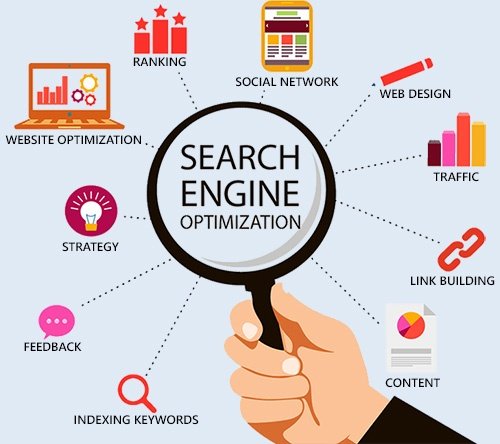
Performance marketing SEO is the active use of SEO tactics to drive measurable outcomes. It treats organic search as a performance channel, not just long-term branding.
This approach aligns content, technical SEO, and conversion funnels to clear goals. It links search traffic to CPA, revenue, or sign-ups. Teams use fast tests, strict tracking, and iterative optimization. The term performance marketing SEO appears across strategy docs when marketers demand ROI from organic search.
Why this matters: organic search can scale like paid channels when you measure it right. Performance marketing SEO focuses on speed, data, and outcomes. It helps marketing teams justify SEO spend with clear numbers.
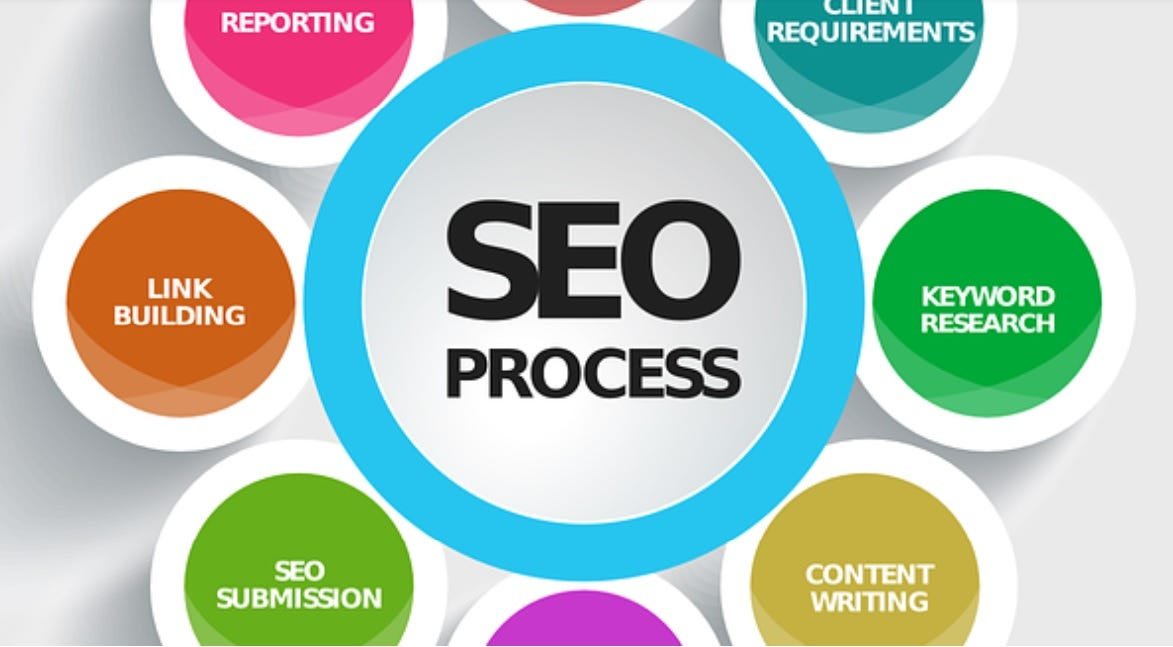
Performance marketing SEO works by setting goals, measuring outcomes, and optimizing both traffic and conversions. The method uses tight feedback loops and cross-channel data.
Key steps in the workflow:
- Define clear goals and KPIs tied to business outcomes, such as CPA or revenue.
- Conduct keyword research that maps intent to funnel stages.
- Optimize pages for both search rankings and conversion rate.
- Implement analytics and attribution to connect organic sessions to revenue.
- Run experiments, including A/B tests and content tests.
- Scale what works and cut what does not.
An example: target a high-intent keyword for a product page. Improve on-page SEO, speed, and CTA copy. Measure how organic visitors convert and adjust. That mix of SEO and performance tactics is a core practice of performance marketing SEO.

Key metrics and KPIs for performance marketing SEO
To run performance marketing SEO you must track both search and business metrics. Combine SEO metrics with direct performance indicators.
Important metrics to monitor:
- Organic conversions: number of leads, sales, or sign-ups from organic traffic.
- Conversion rate: percent of organic visitors who convert.
- Cost per acquisition equivalent: estimate the organic CPA using channel economic models.
- Organic revenue or lifetime value (LTV): revenue attributed to organic channels.
- Click-through rate (CTR) and impressions for target keywords.
- Rankings for priority keywords that directly feed revenue pages.
- Time to conversion and assisted conversions in multi-touch paths.
Attribution matters. Use first-touch, last-touch, and data-driven models to see how organic search supports paid and other channels. When I mix these metrics, I can show how organic SEO reduces paid CPA over time. That is the power of performance marketing SEO.

Step-by-step strategy to implement performance marketing SEO
You can set up performance marketing SEO in six practical phases. Each step focuses on speed, measurement, and repeatability.
Phase 1 — Set goals and map user intent
- Set measurable goals like CPA, revenue, or trial sign-ups.
- Map target keywords to stages: awareness, consideration, decision.
Phase 2 — Technical and on-page optimization
- Fix crawl, index, and speed issues.
- Ensure schema, canonical tags, and mobile UX are solid.
- Optimize title tags, meta descriptions, and H1s for intent.
Phase 3 — Content aligned to conversion
- Create pages that solve intent and push the user to act.
- Use short pages for transactional intent and long pages for research intent.
- Optimize internal links to boost page authority for priority pages.
Phase 4 — Tracking and attribution setup
- Configure analytics goals and events for form fills and purchases.
- Implement server- or client-side tagging for reliable data.
- Use UTM standards and align naming with paid channels.
Phase 5 — Experimentation and CRO
- Run A/B tests on key landing pages.
- Test CTAs, page layouts, and form fields.
- Treat SEO copy as fluid. Improve it based on conversion data.
Phase 6 — Scale and iterate
- Expand keyword clusters that produce conversions.
- Replicate top-performing page templates.
- Apply learnings to paid creative and vice versa.
Following these steps helps make organic search predictable. In my projects, this flow cut time to measurable results from months to weeks. Performance marketing SEO thrives on this pace.
Tools and technology for performance marketing SEO
The right tools make performance marketing SEO repeatable and fast. Choose tools that cover search, content, testing, and analytics.
Essential tool types:
- Analytics platforms for event tracking and attribution.
- Search console tools for indexing and query data.
- Keyword research and gap analysis tools.
- Page speed and Core Web Vitals validators.
- CRO and A/B testing platforms for landing page optimization.
- Tag managers for consistent data collection.
- CMS and templates that support rapid page builds.
Use a single source of truth for revenue numbers. Link your analytics to CRM and ad platforms where possible. This lets you calculate organic CPA and ROAS, key outputs for performance marketing SEO.

Common mistakes and how to avoid them
Avoid these frequent errors when running performance marketing SEO. They slow results and hurt measurement.
Common mistakes and fixes:
- Focusing only on rankings
- Fix: Track conversions and revenue, not just positions.
- Poor attribution and tracking
- Fix: Standardize UTMs, events, and use data-driven attribution where possible.
- Treating SEO as one-off work
- Fix: Build a continuous testing and content program.
- Ignoring technical debt
- Fix: Prioritize crawlability and speed before content growth.
- Not aligning paid and organic teams
- Fix: Share insights and test high-performing paid creatives on organic pages.
I once saw teams chase keywords without tying them to offers. That wasted budget and time. Fixing alignment between offer, content, and tracking changed outcomes quickly. That lesson is central to performance marketing SEO.

Case study and personal experience
I led an integrated program for a mid-market SaaS client. The aim was to lower paid CPA and grow free trials via organic search. We applied performance marketing SEO tactics from the plan above.
What we did:
- Mapped high-intent keywords to product landing pages.
- Rebuilt five pages with focused copy, clearer CTAs, and faster load times.
- Implemented event tracking and tied organic conversions to revenue.
Results in six months:
- Organic trial sign-ups rose by 68 percent.
- Estimated organic CPA fell by 42 percent compared to baseline paid CPA.
- Paid spend was redirected to testing new markets.
Lessons learned:
- Small template changes can yield large gains.
- Prioritize pages that already have ranking signals for fast wins.
- Always validate SEO wins with conversion data.
These outcomes show why performance marketing SEO is more than theory. With clear goals, fast tests, and solid tracking you can produce real business impact.
.jpg)
Frequently Asked Questions of performance marketing seo
What is the main difference between performance marketing and organic SEO?
Performance marketing emphasizes measurable outcomes and ROI. Organic SEO often focuses on rankings and traffic growth, while performance marketing SEO ties organic work directly to conversions and revenue.
How long does it take to see results from performance marketing SEO?
You can see early wins in weeks when you focus on high-intent pages and fix technical issues. Full-scale impact often takes three to six months as content gains authority and conversions stabilize.
Can small businesses use performance marketing SEO effectively?
Yes. Small teams can prioritize quick wins like fixing slow pages and optimizing high-intent landing pages. The work scales and helps reduce reliance on paid ads over time.
Which metrics should I prioritize first?
Start with organic conversions and conversion rate for priority pages. Then monitor estimated organic CPA, revenue, and keyword intent alignment to guide expansion.
How do I integrate paid search with performance marketing SEO?
Share keyword and creative data between teams. Use paid tests to validate messaging and then apply winning copy to organic pages. Align tracking and attribution to measure the combined impact.
Is content length important for performance marketing SEO?
Content should match user intent. Use concise pages for transactional queries and longer, helpful pages for research queries. The key is usefulness and clarity, not arbitrary word counts.
Conclusion
Performance marketing SEO connects organic search work to real business outcomes. Focus on goals, clean tracking, fast tests, and close alignment between SEO and paid teams. Start small with high-intent pages, measure conversions, and scale what works. Take action this week: audit one priority page, fix its speed or CTA, and track the change. Share your results, subscribe for updates, or leave a comment to discuss next steps.