

Electronic software distribution is delivering and updating software to users over networks and the internet.
As an experienced software delivery engineer and technical writer, I will explain what is electronic software distribution in practical, technical, and business terms. This article covers how electronic software distribution works, common delivery models, security and compliance considerations, best practices, costs and ROI, and real-world lessons from my work managing large-scale deployments. Read on to gain a clear, actionable understanding of what is electronic software distribution and how to apply it in your environment.
How electronic software distribution works
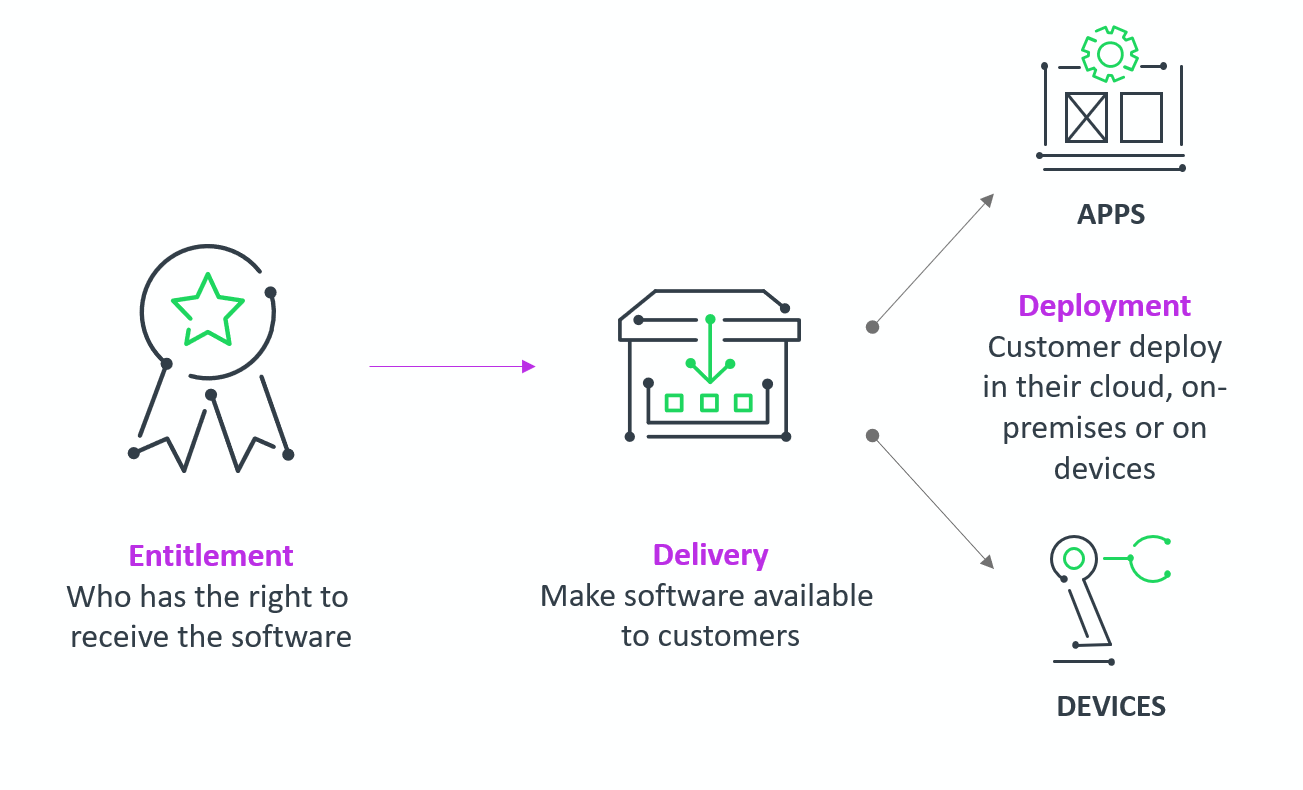
Electronic software distribution describes the process of packaging, delivering, installing, and updating software to end users using digital channels. At its core, what is electronic software distribution means moving software artifacts from a build or repository to devices, servers, or cloud environments without physical media.
Typical workflow steps include:
- Build and package software into installers, containers, or packages.
- Sign and verify packages to ensure integrity and authenticity.
- Store artifacts in repositories or content delivery networks.
- Deploy to target systems using orchestration, agents, or pull mechanisms.
- Monitor installation success and apply updates or rollbacks as needed.
This workflow scales from simple app downloads to complex enterprise rollouts. Implementations vary by platform, but the goal remains the same: reliable, repeatable delivery.
Benefits of electronic software distribution
Understanding what is electronic software distribution highlights several business and technical benefits:
- Faster delivery of new features and security fixes, reducing time-to-value.
- Reduced operational cost compared to physical media and manual installs.
- Centralized control for versioning, rollback, and compliance reporting.
- Improved user experience through automated updates and self-service.
- Better telemetry for usage analytics and proactive maintenance.
Organizations that master electronic software distribution often see higher security posture and faster response to vulnerabilities. This drives both user trust and operational efficiency.

Types and delivery models for electronic software distribution
There are multiple models used to answer the question of what is electronic software distribution in practice:
- Direct download from vendor websites for consumer apps.
- App stores and marketplaces that manage discovery, signing, and updates.
- SaaS deployment where software lives in the cloud and users access it via browser.
- Managed enterprise distribution using endpoint management tools and agents.
- Container registries and orchestration platforms for microservices and cloud-native apps.
- Content delivery networks (CDNs) to cache and accelerate downloads globally.
Each model suits different audiences and constraints. Choose the model that matches your scale, security needs, and update frequency.
Key components and technologies
To implement what is electronic software distribution effectively, you need a set of core components:
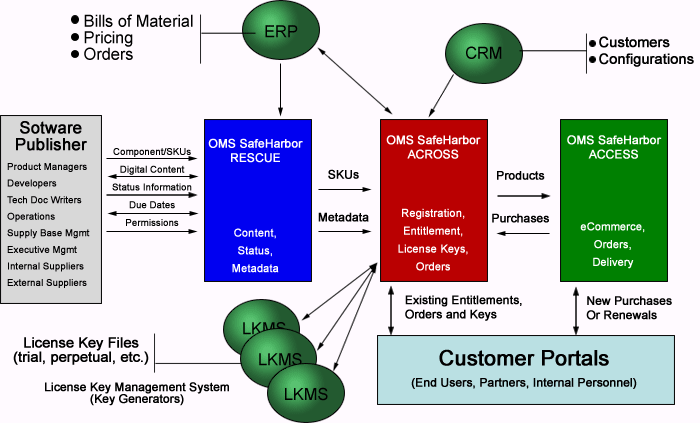
- Artifact repositories or registries to store builds and versions.
- Package managers or installers that handle dependencies and install flow.
- Digital signing and certificate management to ensure authenticity.
- Deployment orchestration tools for scheduling and rollbacks.
- Update mechanisms (push, pull, or hybrid) and delta updates to minimize bandwidth.
- Monitoring and telemetry to track success and errors.
Modern toolchains integrate CI/CD pipelines with distribution platforms to automate the full lifecycle from commit to production install. This reduces human error and speeds delivery.
Security, compliance, and risk management
Security is central when evaluating what is electronic software distribution. Key practices include:
- Code signing to prevent tampering and spoofing.
- Secure transport (TLS) and integrity checks (hashes).
- Access controls on repositories and artifact stores.
- Vulnerability scanning of packages and dependencies.
- Audit logs and compliance reporting for regulated environments.
Treat distribution as part of your threat model. Compromised distribution channels can cause widespread impact, so invest in layered defenses and strict change control.
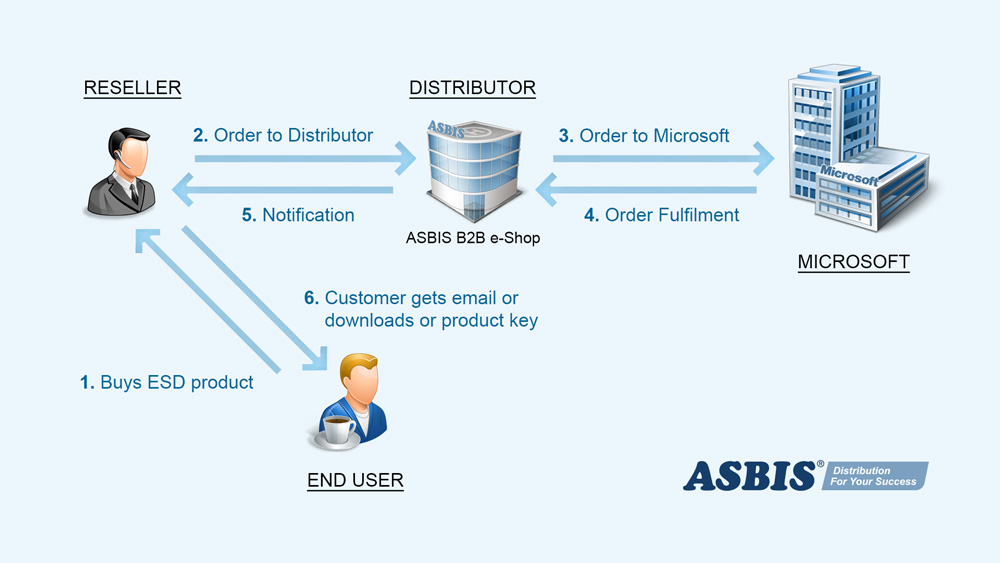
Best practices for implementing electronic software distribution
From my experience building distribution systems, these practices matter most:
- Automate everything: use CI/CD to build, test, sign, and publish artifacts.
- Use staged rollouts to limit blast radius and gather feedback.
- Keep releases small and frequent to reduce complexity and risk.
- Implement robust rollback plans and health checks.
- Monitor metrics like install success rate, latency, and error patterns.
Common mistakes I’ve seen include ignoring telemetry, skipping staged rollouts, and weak signing processes. Avoid these to keep deployments predictable and safe.

Measuring cost, performance, and ROI
Knowing what is electronic software distribution also means measuring its value. Track these indicators:
- Time-to-deploy and time-to-fix critical bugs.
- Bandwidth and storage costs for artifact hosting and delivery.
- Number and severity of failed installs or rollbacks.
- Mean time to recovery (MTTR) for faulty releases.
- User satisfaction and feature adoption metrics.
Calculate ROI by comparing manual delivery costs and downtime against automation and availability improvements from electronic distribution. Accurate telemetry makes this analysis actionable.
Real-world examples and my experience
I once led a migration from USB and DVD installs to a centralized electronic software distribution platform for a mid-size company. The transition reduced install failures by 70% and cut deployment time from days to hours. Key lessons I learned:
- Start with a pilot for a small user group to validate processes.
- Automate verification and monitor early adopter telemetry closely.
- Communicate clearly with users about update windows and rollback procedures.
These practical steps made the rollout smooth and built trust across teams. Knowing what is electronic software distribution in theory is one thing; executing it with discipline is what produces results.
Frequently Asked Questions of what is electronic software distribution
What is the main purpose of electronic software distribution?
The main purpose is to deliver and maintain software efficiently and securely over networks, reducing the need for physical media. It ensures timely updates, centralized control, and consistent installations.
How is electronic software distribution different from software updates?
Electronic software distribution covers packaging, delivery, installation, and updates, while software updates specifically refer to delivering patches or new versions after initial installation. Distribution is the broader lifecycle.
Is electronic software distribution secure for enterprise use?
Yes, when you use signing, secure transport, access controls, and vulnerability scanning, electronic software distribution can meet enterprise security and compliance requirements. Proper audits and logging improve trustworthiness.
Can small businesses use electronic software distribution?
Absolutely. Small businesses can adopt cloud-based repositories and lightweight deployment tools to automate installs and updates without heavy upfront investment. Start simple and scale as needed.
What are common problems when implementing electronic software distribution?
Common problems include poor rollback planning, lack of telemetry, weak signing practices, and insufficient staged rollouts. Address these early to reduce failed deployments and user impact.
How do CDNs help with electronic software distribution?
CDNs cache artifacts close to users, which reduces latency and bandwidth costs for downloads. They improve download speed and reliability, especially for geographically distributed users.
Conclusion
This guide explained what is electronic software distribution, covering how it works, delivery models, core technologies, security needs, best practices, cost metrics, and real-world lessons. Implement automated, staged, and monitored distribution pipelines to reduce risk and speed delivery. Start with a pilot, focus on signing and telemetry, and scale gradually—these steps will help you deliver software reliably and securely. Explore further resources, try a small pilot in your environment, and share your experiences or questions in the comments.