

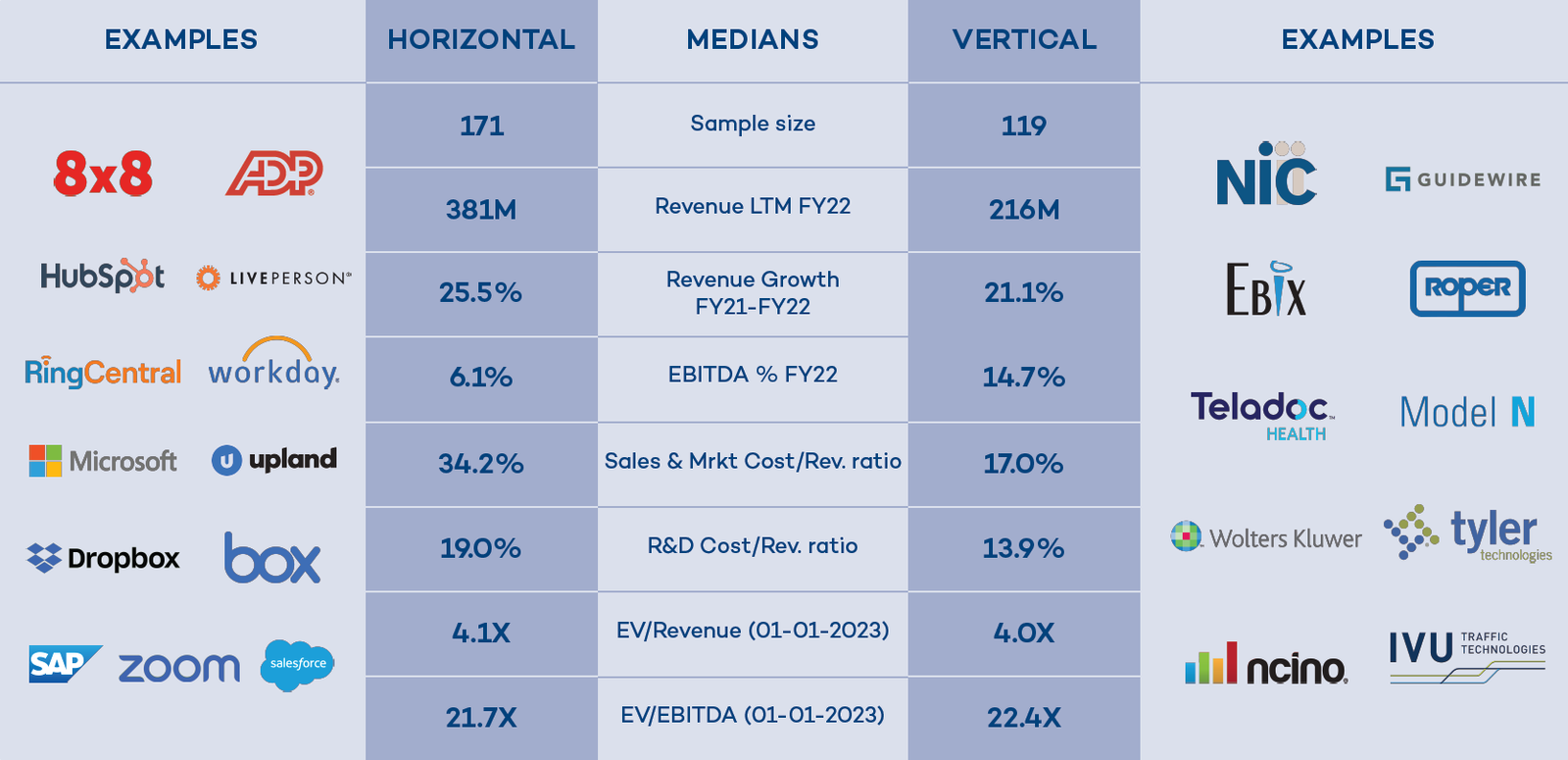
Vertical market software is specialized software built for a specific industry or niche.
I have worked with industry-specific systems for years, helping businesses choose and deploy the right solutions. This article explains what vertical market software means, how it differs from general-purpose tools, its benefits, common use cases, and practical advice for selection and implementation. Expect clear definitions, hands-on tips from real projects, and a strategy you can follow to evaluate vertical market software for your organization.

What is vertical market software?
Vertical market software is software designed to solve problems for a single industry or niche. It embeds specific workflows, terminology, compliance rules, and data models that match that industry. Unlike generic tools, vertical market software aims to reduce custom work by providing ready-made features that reflect day-to-day operations. This focus often speeds implementation and improves user adoption because the system fits industry needs out of the box.
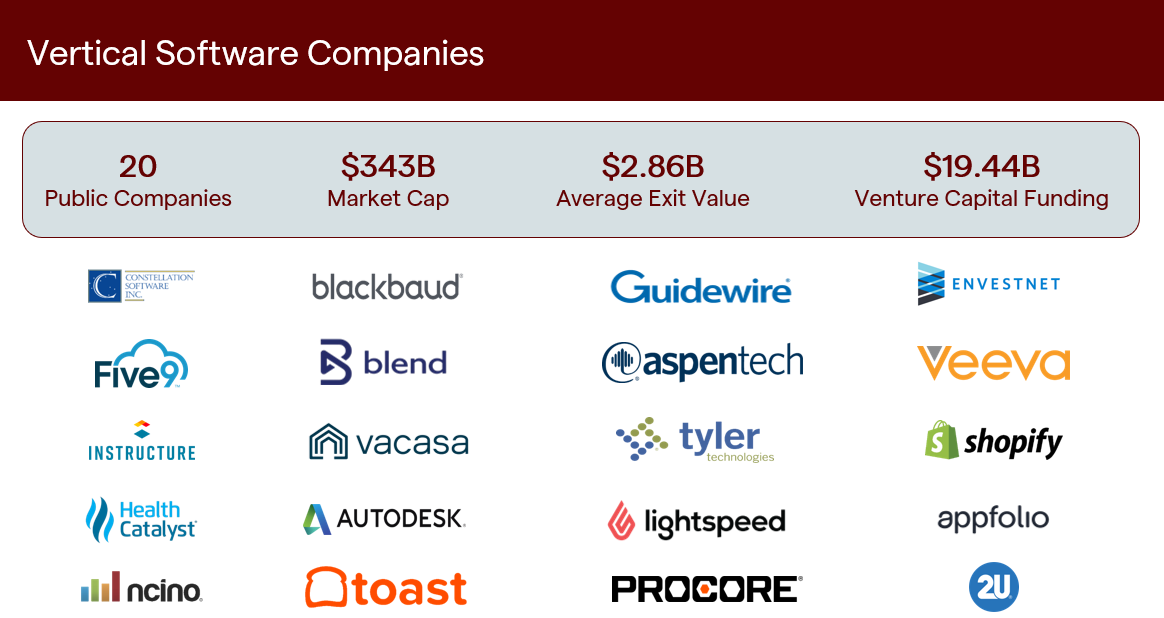
Key characteristics of vertical market software
- Industry-specific features: Built-in functions reflect real tasks in the field, such as medical coding, construction takeoffs, or restaurant menu management.
- Regulatory and compliance support: Includes templates, reports, and controls for rules like HIPAA, PCI, or industry licensing.
- Preconfigured workflows: Processes are modeled after common industry practices, which reduces configuration time.
- Integration with niche hardware and tools: Connectors for industry devices, scanners, or lab equipment are common.
- Domain-focused reporting and analytics: Provides reports that matter to industry managers and regulators.
- Vendor expertise and support: Vendors often offer consultants who understand the industry deeply.
- Pricing and licensing tailored to industry use: Options may include per-location, per-provider, or transaction-based pricing.
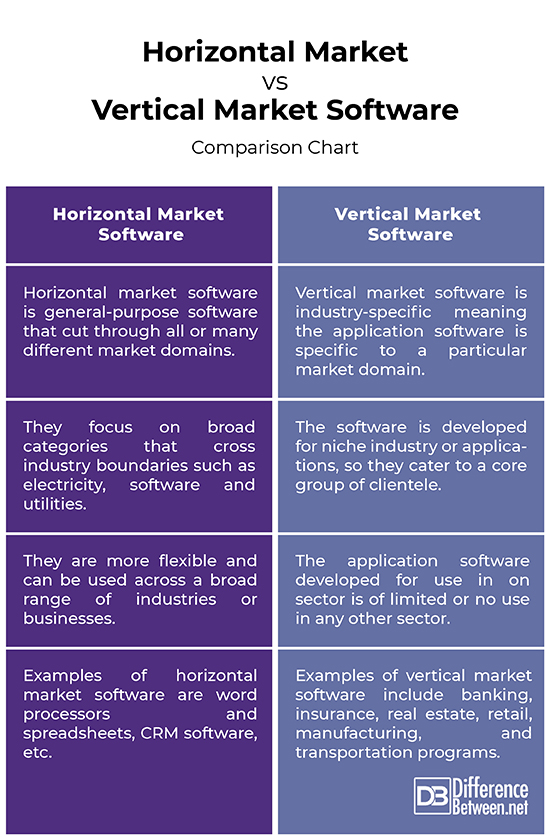
Types and real-world examples
- Healthcare: Electronic health record (EHR) systems and practice management platforms that handle clinical workflows and billing.
- Retail and hospitality: Point-of-sale systems and property management systems built for stores and hotels.
- Legal and accounting: Practice management software with time tracking, billing templates, and trust accounting.
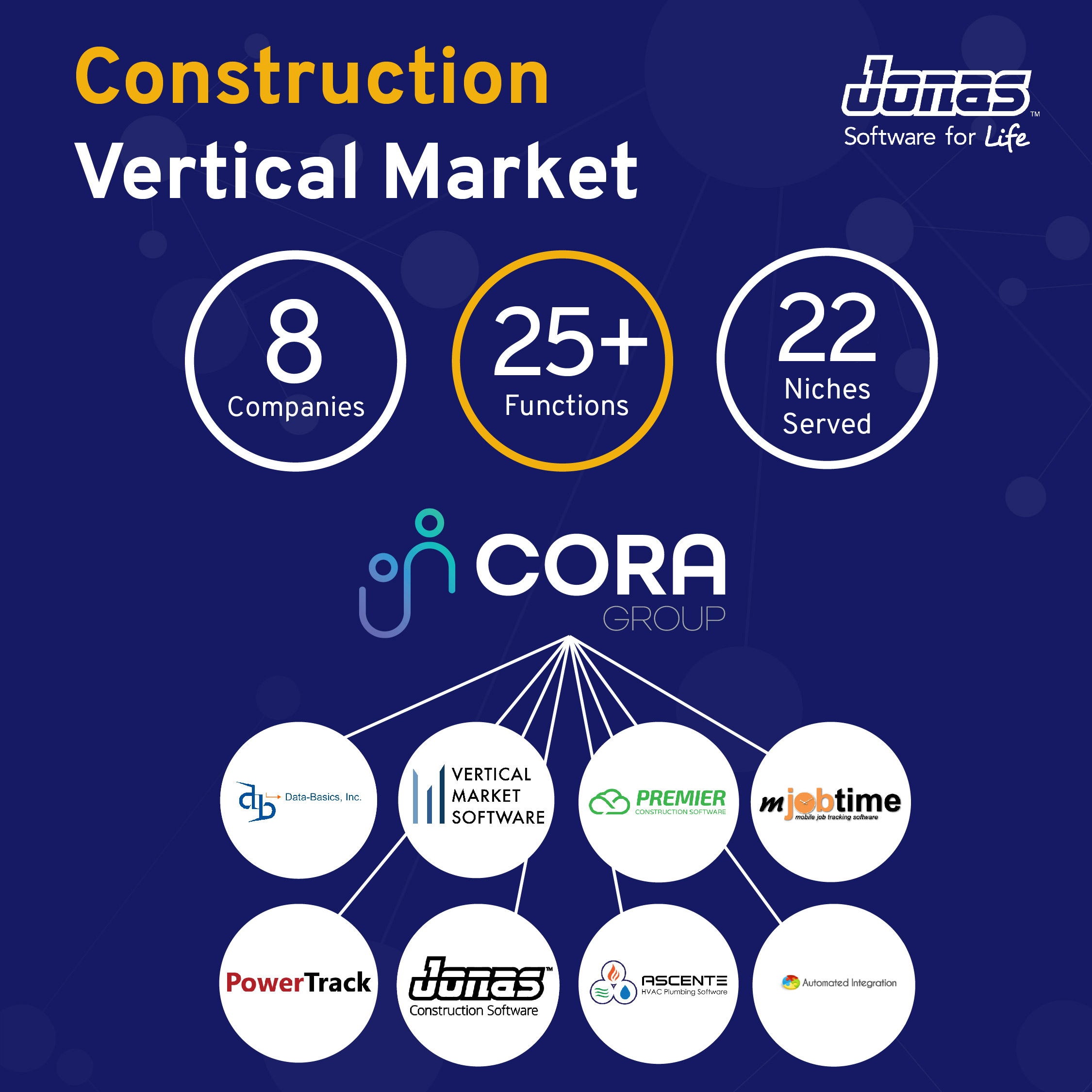
- Construction: Estimating, project management, and field reporting tools built for contractors.
- Manufacturing: Manufacturing execution systems (MES) and quality systems focused on production lines.
- Real estate: Brokerage management platforms that manage listings, commissions, and compliance.
From my experience, selecting vertical market software for a mid-sized clinic reduced administrative time by 30 percent because the forms and billing codes were already embedded. That kind of tailored fit is the core value of vertical market software.
Benefits of using vertical market software
- Faster deployment: Prebuilt workflows reduce setup and customization time.
- Better fit for users: Interfaces and fields reflect real tasks, improving adoption and reducing training time.
- Improved compliance: Built-in regulatory controls lower compliance risk and audit effort.
- Richer industry analytics: Reports are designed for the metrics that matter in the field.
- Competitive advantage: Organizations can leverage specialized features to deliver better services.
- Lower total change cost: Less need for heavy customization reduces long-term maintenance work.
These benefits combine to deliver faster ROI for teams that need industry-aligned capabilities rather than a one-size-fits-all tool.

How to choose and implement vertical market software
- Assess business needs: Map critical workflows, compliance requirements, and must-have integrations.
- Prioritize outcomes: Define success metrics such as time saved, error reduction, or revenue impact.
- Evaluate vendor expertise: Look for vendors with industry case studies and domain knowledge.
- Request demos with real scenarios: Use your own workflows in vendor demos to see fit in practice.
- Plan integration and data migration: Identify systems to connect and data to move.
- Start with a pilot: Implement a limited scope to validate fit and measure outcomes.
- Train and document: Provide role-based training using real examples from day one.
- Monitor and iterate: Track metrics and adjust configurations rather than over-customizing.
Personal tip: In one deployment, insisting on a two-week pilot revealed a gap in the vendor’s reporting. The pilot saved weeks of rework and clarified the configuration needed for full rollout.
Costs, licensing models, and ROI considerations
- Common licensing models:
- Per-user or per-seat pricing.
- Per-location or per-facility pricing.
- Transaction or consumption-based fees.
- Subscription (SaaS) vs. perpetual licensing.
- Implementation costs:
- Data migration and integration work.
- Configuration and mapping of workflows.
- Training and change management.
- Estimating ROI:
- Quantify time saved, error reductions, and compliance risk avoided.
- Compare total cost of ownership over 3–5 years, including maintenance and upgrade fees.
- Hidden costs to watch:
- Custom development for missing features.
- Long-term vendor lock-in or expensive upgrades.
A clear business case tied to measurable KPIs helps justify the investment in vertical market software and keeps expectations realistic.

Challenges and risks with vertical market software
- Vendor lock-in: Deep industry customizations can make switching hard and costly.
- Over-customization: Adding too many custom features undermines vendor upgrades and future-proofing.
- Integration complexity: Legacy systems may require middleware for smooth data flow.
- Cost variance across vendors: Pricing models can be hard to compare across vendors.
- Limited vendor options: Niche industries sometimes have few reputable vendors.
- Regulatory shifts: Changes in industry rules can require rapid software updates.
Mitigation strategies include negotiating clear exit clauses, favoring configurable over custom features, and insisting on documented APIs and data export capabilities.

Future trends in vertical market software
- Vertical SaaS growth: More industry-focused vendors are offering cloud-native, subscription solutions.
- Embedded AI and automation: Routine tasks like coding, scheduling, and anomaly detection are becoming automated.
- API ecosystems: Better integrations across industry partners and third-party specialists.
- Low-code customization: Industry users can adapt workflows without deep developer resources.
- Mobile-first and remote workflows: Field-first features support remote teams and on-site operations.
- Marketplaces and modular ecosystems: Vendors increasingly offer add-on marketplaces tuned to niche needs.
Staying aware of these trends helps organizations choose solutions that will evolve with their industry rather than become obsolete.
Frequently Asked Questions of what is a vertical market software
What is the main difference between vertical market software and horizontal software?
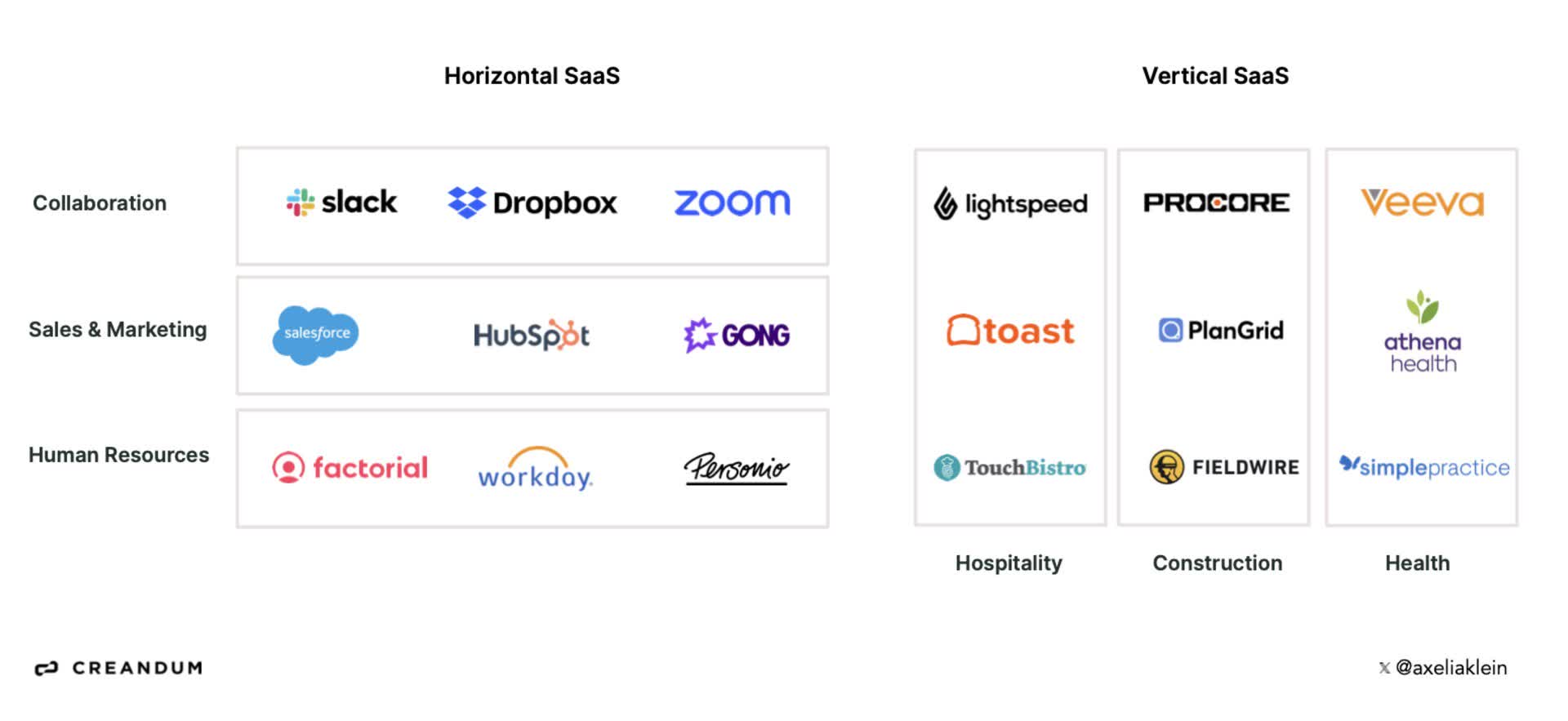
Vertical market software targets a specific industry and includes domain features and compliance. Horizontal software is broad and supports many industries with general-purpose tools.
How do I know if my business needs vertical market software?
If your workflows, compliance needs, or hardware integration are unique to your industry, vertical market software usually offers a faster, tighter fit and better outcomes.
Is vertical market software more expensive than generic software?
Initial licensing can be higher, but total cost often falls due to lower customization and faster deployment. Evaluate total cost of ownership over several years.
Can vertical market software integrate with my existing systems?
Most mature vertical market software supports APIs and common integrations, but integration complexity varies. Verify connectors and integration support during vendor evaluation.
What are common pitfalls when implementing vertical market software?
Common issues include insufficient vendor vetting, lack of pilot testing, over-customization, and underfunded change management. Address these early with clear plans and metrics.
How long does it take to implement vertical market software?
Implementation timelines range from weeks for simple SaaS setups to many months for complex, enterprise deployments. Scope, integrations, and data migration drive timelines.
Conclusion
Vertical market software brings deep industry knowledge into your technology stack. It reduces setup time, improves compliance, and often delivers faster ROI by matching software to real workflows. Evaluate vendors on domain expertise, integration capability, and upgrade path, and use a pilot to validate fit before full rollout. Take action today: map your critical workflows, set clear success metrics, and start vendor conversations with real scenarios to find vertical market software that moves your business forward.