

A mobile web browser is an app that loads, renders, and navigates websites on phones and tablets.
I have built and tested mobile sites for years, and I know how vital a fast, secure browser is. This article explains what is a mobile web browser, how it works, which features matter, and how to pick the right one. I will share hands-on tips, real examples, and plain advice so you can make better choices and improve your mobile web experience.
What is a mobile web browser? Clear definition and core role
A mobile web browser is software on a phone or tablet. It fetches web pages, renders HTML, shows images, and runs scripts. When you type a URL or tap a link, the mobile browser requests the page and displays it on a small screen.
What is a mobile web browser versus desktop browsers. Mobile browsers must handle touch, varied screen sizes, and limited CPU or memory. That changes design and performance choices.
What is a mobile web browser in practice. You use one many times a day to read articles, shop, and access apps that run in the browser. The software shapes speed, privacy, and how websites feel.
:max_bytes(150000):strip_icc()/001_list-of-mobile-web-browsers-3486250-bafbb8e18c6b4e9bacb7f90417251229.jpg)
How mobile browsers work: the tech in simple steps
Mobile browsers follow a clear flow. They start with a user request. Then they fetch resources, parse HTML, style the page, run scripts, and paint pixels on the screen.
Key steps in plain language:
- Network request. The browser asks a server for files using HTTP or HTTPS.
- Parsing and rendering. HTML becomes a document tree. CSS and layout rules style it.
- JavaScript execution. Scripts run in a controlled engine to change the page.
- Painting. The page is drawn and updated as the user scrolls or taps.
What is a mobile web browser doing behind the scenes? It balances speed, battery use, and security. Mobile engines are tuned to preserve battery and memory while keeping pages responsive.
Core features of modern mobile browsers
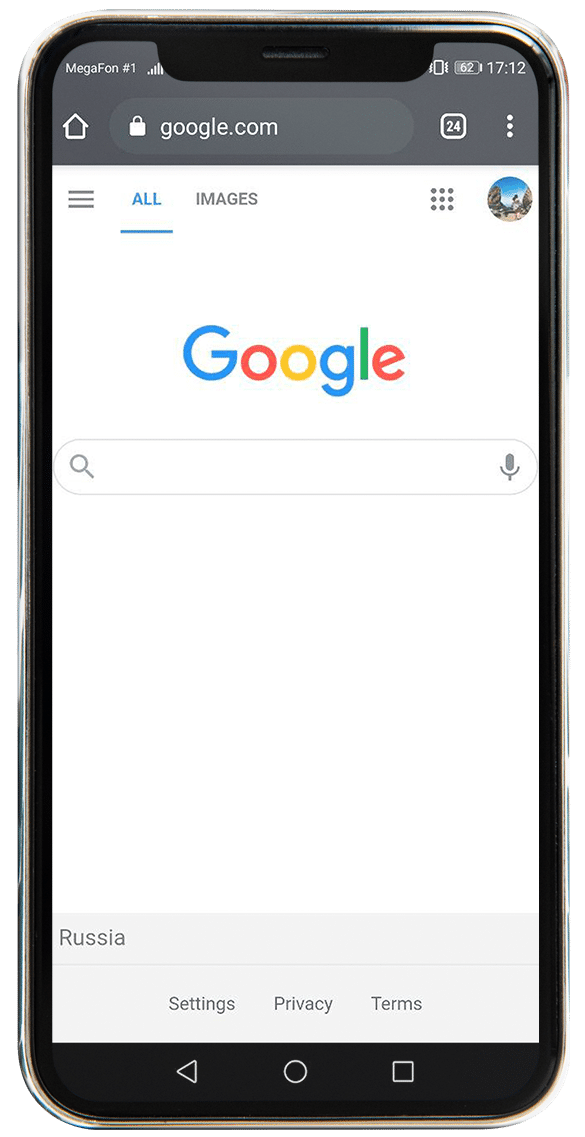
Mobile browsers share a common set of features that shape user experience. These features help users browse safely and quickly.
Important features to know:
- Tabbed browsing. Open many pages and switch quickly.
- Private mode. Browse without keeping local history.
- Sync and bookmarks. Keep tabs, history, and passwords across devices.
- Content blocking. Built-in or add-on ad and tracker blockers.
- Reader view. A simplified display for long articles.
- Accessibility options. Text size, zoom, and voice features.
When you ask what is a mobile web browser, these features define real value. Choose a browser whose features match how you browse.
:max_bytes(150000):strip_icc()/003_list-of-mobile-web-browsers-3486250-2a09b483b16b46a4b9518d976da2aeed.jpg)
Types and examples of mobile browsers
Not all mobile browsers are the same. Some use shared engines. Others add unique interfaces or privacy tools.
Common types:
- Chromium-based browsers. Use the Chromium engine for speed and compatibility.
- WebKit-based browsers. Often found on certain platforms due to platform rules.
- Lightweight or minimal browsers. Designed for low data use and low memory.
- Privacy-focused browsers. Built to limit tracking and collect less data.
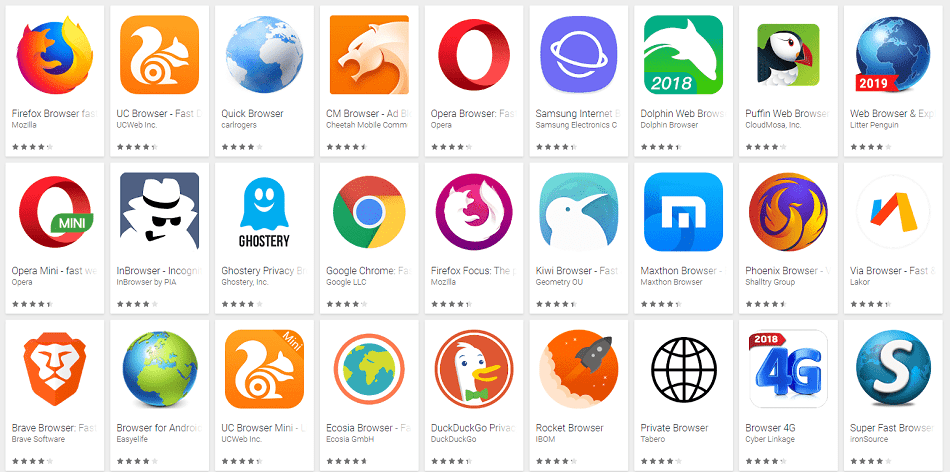
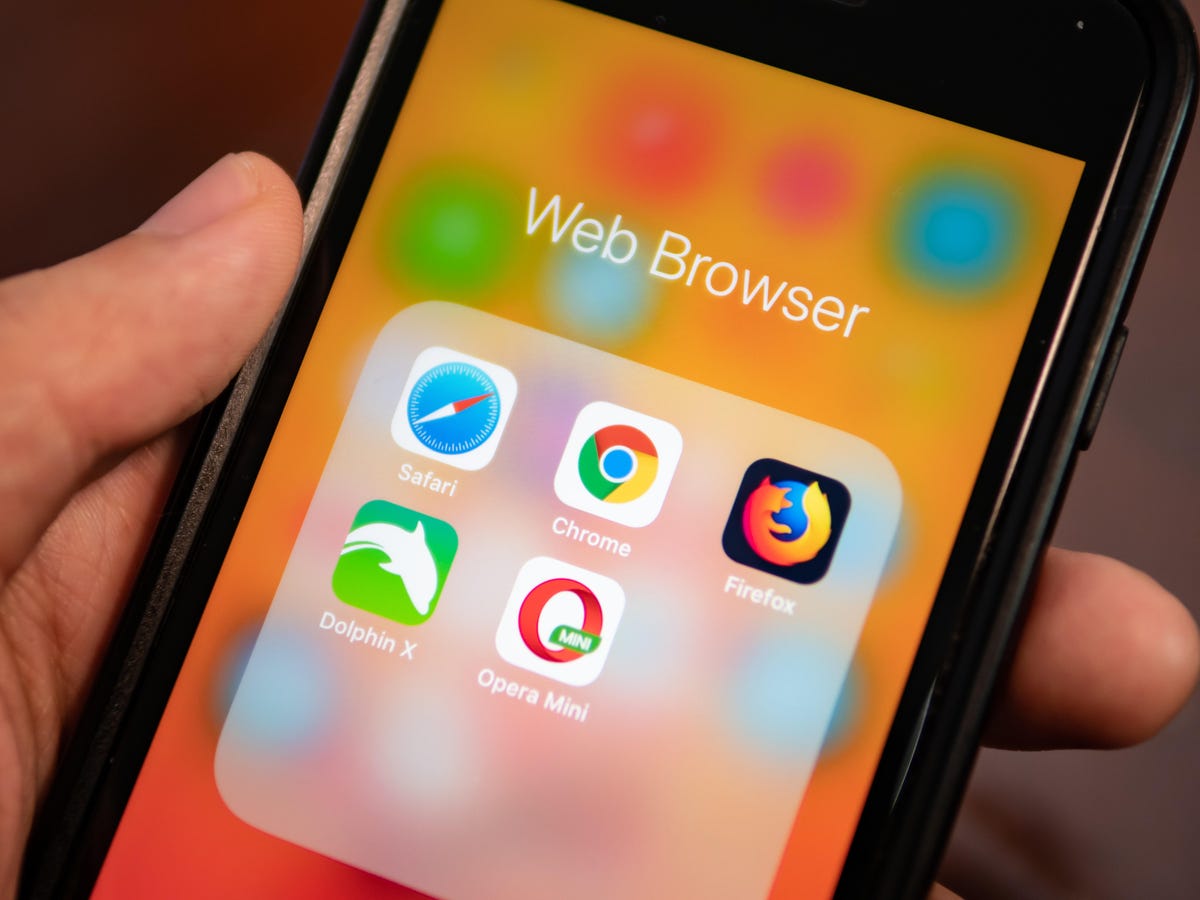
Examples I have used personally include mainstream browsers and smaller privacy apps. Each served a purpose. For heavy browsing, a full-featured browser worked best. For travel and low data, a lightweight browser saved time and money.
Security and privacy: what to watch for
Security and privacy are core to any mobile browser. Browsers are the gateway to the web and to your data.
Important security measures:
- HTTPS enforcement. Prioritize encrypted sites for safety.
- Sandboxed tabs. Isolate pages to limit harm from malicious sites.
- Regular updates. Patches fix vulnerabilities fast.
- Tracker and ad blockers. Reduce data sent to third parties.
When thinking about what is a mobile web browser, remember it must protect you. I once tested a site that leaked location in a browser with weak privacy. Switching to a browser with stricter controls stopped the leaks immediately.
:max_bytes(150000):strip_icc()/hand-holding-smartphone-and-touching-the-screen-with-search-button--magnifying-glass-icon--818439046-5a8f6664ff1b78003796ec9b.jpg)
Performance and optimization on mobile
Mobile devices have limits. A browser that uses too much memory or CPU drains battery and slows the device.
Ways browsers optimize performance:
- Lazy loading images. Load images only when needed.
- Resource prioritization. Load visible content first.
- JavaScript throttling. Limit heavy scripts on slow networks.
- Compression and caching. Reduce data transfers and reuse files.
If you run a site, test it on a real mobile browser. I learned to optimize images and scripts after seeing slow loads on cheap phones. Simple changes cut load time in half.
How to choose the best mobile browser for you
Choosing a browser depends on priorities like speed, privacy, or features. Follow a simple checklist to decide.
Decision checklist:
- Prioritize privacy if you want fewer trackers and stronger controls.
- Choose sync features if you use multiple devices.
- Select a lightweight browser for low-data plans or older phones.
- Test real-world speed on the pages you use most.
I recommend trying two browsers for a week each. Compare load time, battery use, and ease of use. Your choice will be personal and use-case driven.

Future trends: where mobile browsers are headed
Mobile browsers keep evolving. Expect better performance, more privacy tools, and tighter integration with web apps.
Likely developments:
- More PWAs (Progressive Web Apps) integrating like native apps.
- Wider adoption of privacy defaults and tracker blocking.
- Improved energy efficiency on modern engines.
- Greater use of AI for features like summarization and smart autofill.
Ask what is a mobile web browser likely to become. It will blur the line between native apps and web pages, while focusing on safety and speed.
Frequently Asked Questions of what is a mobile web browser
What is a mobile web browser used for?
A mobile web browser loads and displays websites on phones and tablets. It lets you search, read, shop, and use web apps anywhere.
How is a mobile web browser different from a desktop browser?
Mobile browsers handle touch input, smaller screens, and lower resources. They often include mobile-specific features like reader mode and data saving.
Are mobile browsers secure?
Many mobile browsers include strong security like HTTPS enforcement and sandboxing. Security varies by browser and how often it updates.
Can a mobile browser replace apps?
Yes. Progressive Web Apps and modern sites can offer near-native experience. Some users can rely mostly on browsers instead of apps.
How do I improve speed on my mobile browser?
Clear cache, limit tabs, disable heavy extensions, and use data-saving modes. Also test sites and optimize images and scripts for mobile.
Conclusion
This article explained what is a mobile web browser and why it matters for speed, privacy, and daily use. I outlined core features, how browsers work, ways to pick one, and practical ways to improve performance. Try two browsers side by side to see which fits your needs best. Take action today: test your favorite sites on a different browser, note differences, and choose the one that gives you the best mix of speed, privacy, and convenience. Leave a comment with your experience or subscribe for more practical guides.