

Higher ebook prices reflect publisher control, fixed costs, platform fees, and perceived value.
As an experienced content strategist and reader, I have studied and tracked publishing trends for years. I will explain why ebooks are so expensive by breaking down economics, production costs, platform rules, and market psychology. This article offers clear, research-backed insight, practical tips, and real-world examples to help you understand ebook pricing and make smarter buying decisions.
The economics behind ebook pricing
Publishers set ebook prices for many strategic reasons. They balance revenue per copy with long-term sales, backlist value, and relationships with retailers. When people ask why ebooks are so expensive, the simple economic answer is that publishers treat ebooks as part of a larger business model, not just a cheap digital product.
Key economic drivers:
- Publisher pricing power influences list prices across markets.
- Retailers often follow suggested pricing rather than undercut it aggressively.
- Pricing strategies consider print pricing, promotional cycles, and licensing deals.
I have negotiated content plans where a single ebook price impacts marketing budgets, foreign rights sales, and shelf life. Those decisions keep ebook prices higher than many consumers expect.

Production, editing, and rights management costs
An ebook is not just a file. Producing it involves careful work and recurring costs. That helps explain why ebooks are so expensive beyond the file format.
Typical production costs include:
- Editing and proofreading to ensure quality and reduce errors.
- Cover design and layout, which remain essential for discoverability.
- Conversion and formatting across multiple ebook formats and devices.
- Metadata creation and catalog management to help retailers list books correctly.
- Rights management for translations and territorial licensing.
Even after initial publication, metadata updates, DRM adjustments, and file maintenance add ongoing expenses. These costs are spread across the publisher’s revenue goals, which keeps ebook prices at levels that cover both up-front and long-term costs.

Author royalties and publisher margins
Royalty rules shape pricing decisions and clarify why ebooks are so expensive in many cases. Authors and publishers both need sustainable revenue.
How royalties and margins work:
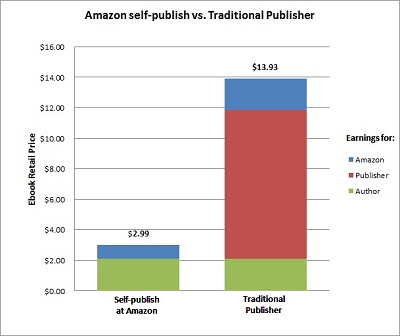
- Self-publishing platforms may offer 35% or 70% royalty options depending on price and region.
- Traditional publishing contracts often provide a share of net receipts and advances that must be recouped.
- Publishers need margins to cover marketing, staff, editorial oversight, and risk from unsold titles.
From my experience working with authors, pricing must allow the publisher to recoup advances and support marketing campaigns. Too-low prices can undermine an author’s ability to earn and a publisher’s ability to invest in new works.
Retailer fees, distribution and platform economics
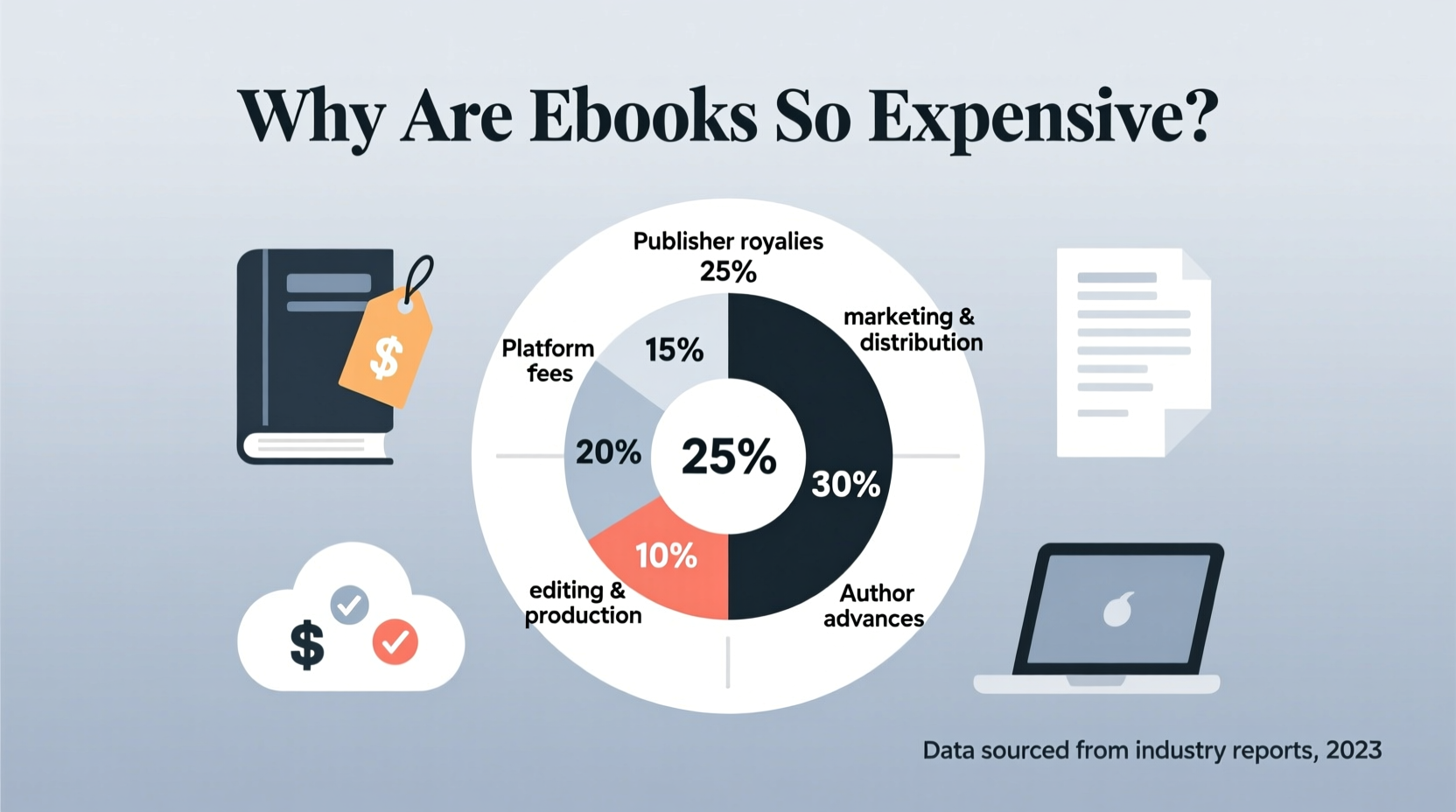
Retail platforms take a share of ebook sales, and that share affects final prices. Understanding platform economics helps explain why ebooks are so expensive for consumers.
Retail mechanics:
- Major platforms charge commissions or set pricing frameworks that limit discounts.
- Some stores use agency pricing models that give publishers more control over retail price.
- Payment processing, content delivery, and customer service add operational fees that cut into publisher revenue.
I’ve managed distribution plans where platform terms determined final list prices. When platforms require certain price floors or commissions, publishers set prices to protect margins and sustain the business.

DRM, piracy and enforcement costs
Protecting intellectual property is costly and ongoing. Anti-piracy measures and enforcement are part of the answer to why ebooks are so expensive.
Anti-piracy realities:
- DRM implementation and updates add technical complexity and costs.
- Monitoring and takedown efforts require legal or third-party services.
- Revenue lost to piracy influences pricing and promotional strategy.
I’ve seen publisher legal teams spend significant resources on takedowns and investigations. Those costs, while hidden from public view, factor into how publishers price digital books.

Market dynamics, consumer perception, and pricing psychology
Consumers expect lower prices for digital goods, but perception and positioning can push ebook prices up. Pricing signals value. That perception is central to why ebooks are so expensive compared with naive expectations.
Psychology and market forces:
- Price communicates value for authors and for readers choosing between formats.
- Publishers align ebook prices with print to avoid undercutting hardcover and trade sales.
- Limited-time discounts, bundles, and promotions shape perceived normal price levels.
In my marketing work, I found that aggressive discounting can devalue a title, reduce author prestige, and lower long-term earnings. Publishers are careful about price erosion, which keeps many ebooks from being too cheap.

How publishers and authors set prices: real-world practices
Pricing is a strategic, iterative process. Knowing these practices helps explain why ebooks are so expensive and why prices vary across stores and territories.
Common pricing steps:
- Set a target based on expected sales, production cost, and comparable titles.
- Test promotions and adjust based on sales velocity and long-term goals.
- Coordinate pricing across formats and territories to protect rights and contracts.
From working with small presses and indie authors, I learned that price testing and coordination with retailers can be the difference between a modest hit and a loss. That caution contributes to steady ebook prices rather than deep day-one discounts.

Practical tips for readers: how to get cheaper ebooks
If you want to pay less, understanding the system helps. These strategies can reduce your ebook spending without sacrificing quality.
Ways to save:
- Subscribe to newsletters for author and publisher promotions.
- Watch for price-matching and limited-time deals by retailers.
- Use library apps and borrowing services for free access to many ebooks.
- Consider second-hand or reflowable formats from authorized vendors.
- Buy backlist titles or wait for scheduled promotions and seasonal sales.
I personally save by tracking promotions and using library loans for occasional reads. Small effort yields noticeable savings without relying on piracy.

Frequently Asked Questions of why ebooks are so expensive
Why do some ebooks cost almost as much as paperbacks?
Publishers often price ebooks close to paperbacks to protect print sales and author earnings. This strategy keeps overall title value stable across formats.
Do publishers make more profit from ebooks than print books?
Not necessarily. Ebooks have lower per-unit production costs but face platform fees, marketing, and rights costs that reduce margins. Profit varies by title and distribution channel.
Can authors set lower ebook prices if they self-publish?
Yes. Self-published authors control price points and can use aggressive discounting. However, lower prices can affect perceived value and discoverability long-term.
How does DRM affect ebook prices?
DRM adds development and maintenance costs and can increase enforcement spending. These added costs are one part of why ebooks are sometimes priced higher.
Are ebook price differences across stores legal?
Yes. Pricing varies by region and retailer due to licensing, tax rules, and platform agreements. Publishers and retailers legally set different prices based on these factors.
Will ebook prices fall as technology improves?
Prices may adjust, but structural costs and market strategies will likely keep many ebook prices stable. Technology may lower some costs but not all pricing drivers.
Conclusion
Ebook prices reflect a mix of business strategy, production costs, platform economics, and market psychology rather than a simple file cost. By understanding why ebooks are so expensive, you can make smarter decisions about when to buy, borrow, or wait for a sale. Take actionable steps: sign up for alerts, use library services, and support authors through fair purchases. Share your experience, subscribe for updates, or leave a comment about how you save on ebooks.