


Top SEO tools: Google Search Console, Semrush, Ahrefs, Screaming Frog, PageSpeed Insights.
As an SEO practitioner with years of hands-on experience, I will guide you through what are the best seo tools for website optimization. This article explains which tools to use, why each matters, and how to combine them into a reliable workflow. I focus on practical guidance, proven tactics, and real-world examples to help you pick and use the right tools for steady traffic growth.
Why SEO tools matter for site success
SEO tools save time and cut guesswork. They show indexing issues, keyword opportunities, technical errors, and content gaps. Good tools help you prioritize fixes and prove results to stakeholders.
Using the right tools improves decisions. You stop guessing and start acting on data. That drives traffic, conversions, and long-term growth for your site.

Core categories of tools you need
Understanding categories helps you build a stack that covers all needs. Each category solves a different problem in the optimization process.
- Keyword research tools: Discover volume, intent, and difficulty.
- Site audit tools: Find crawl, index, and structural issues.
- Backlink analysis tools: Assess link quality and competitor links.
- Rank tracking tools: Monitor keyword movement over time.
- Technical performance tools: Measure speed, Core Web Vitals, and mobile behavior.
- On-page and content tools: Optimize content for relevance and readability.
- User behavior tools: See how visitors interact with pages.
Selecting complementary tools from these categories answers the question of what are the best seo tools for website optimization by covering research, fixes, and measurement.

Top tools and what they do
Below are widely proven tools and when to use them. Each tool meets specific needs in the optimization lifecycle.
Google Search Console
- Use for indexing, sitemap status, and search performance.
- Essential for detecting indexing errors and manual actions.
Google Analytics (GA4)
- Use for traffic sources, engagement, and goal tracking.
- Best for measuring conversion impact of SEO changes.
Semrush
- Use for keyword research, site audits, and competitive analysis.
- Strong all-in-one platform for small teams and agencies.
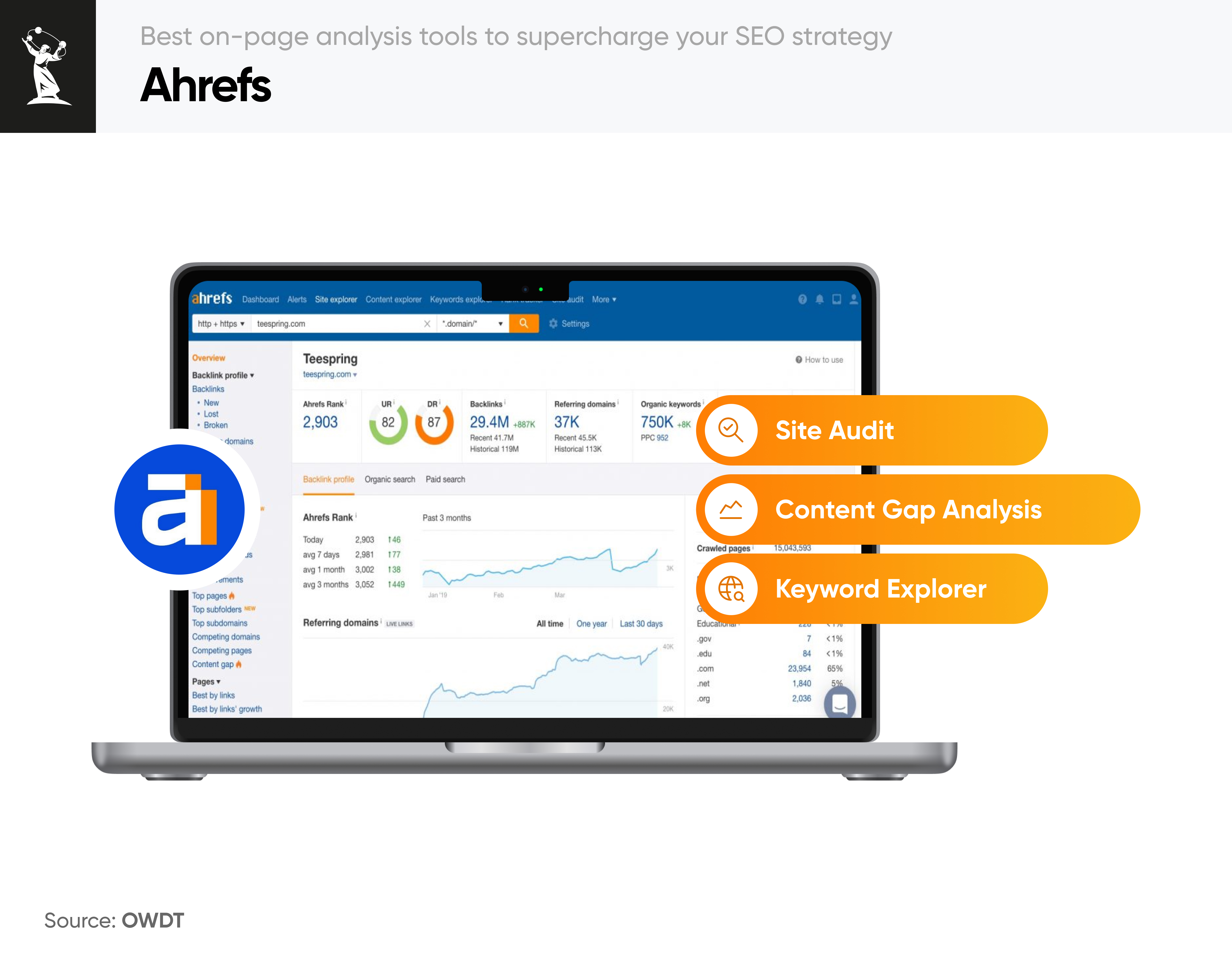
Ahrefs
- Use for backlink analysis and keyword gap research.
- Excellent for competitor link profiles and content ideas.
Screaming Frog
- Use for deep site crawling and technical audits.
- Great when you need a complete on-site health scan.
Moz Pro
- Use for local SEO, keyword tracking, and domain authority checks.
- Helpful for single-site management and local businesses.
PageSpeed Insights / Lighthouse
- Use for performance metrics and Core Web Vitals guidance.
- Provides actionable suggestions to speed up pages.
GTmetrix
- Use for real-world performance testing across devices.
- Useful for visualizing page load patterns and waterfall charts.
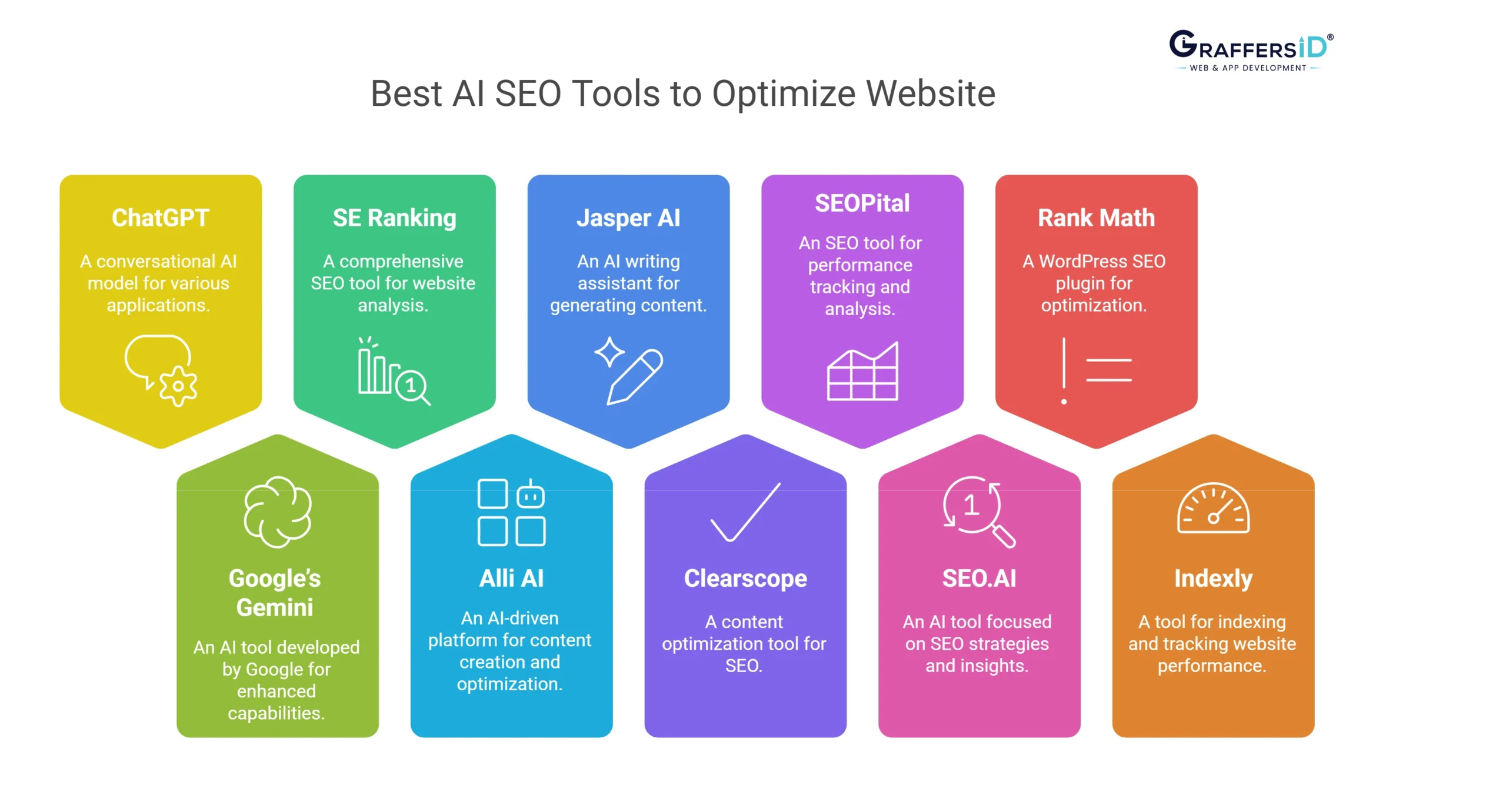
Surfer SEO / Clearscope
- Use for content optimization against top-ranking pages.
- Helps build topic-relevant content that matches intent.
Yoast SEO / Rank Math (WordPress)
- Use for on-page signals, meta templates, and content analysis.
- Practical for non-technical editors to implement SEO best practices.
Hotjar / Microsoft Clarity
- Use for heatmaps, session recordings, and user feedback.
- Helps diagnose conversion blockers and UX issues.
These tools together answer what are the best seo tools for website optimization by covering the full cycle from discovery to delivery.
How to choose the right mix for your site
Choosing depends on your budget, team, and goals. Use this checklist to decide.
- Define goals: Traffic growth, leads, or local visibility.
- Map needs: Audit, content, backlinks, or speed.
- Budget: Prioritize free essentials then add premium tools as needed.
- Skill level: Choose tools that your team can use effectively.
- Integrations: Ensure tools work with your CMS and reporting stack.
For many sites, a practical starter stack includes Google Search Console, GA4, one crawler (Screaming Frog), and one combined suite (Semrush or Ahrefs). This answers what are the best seo tools for website optimization in a cost-effective manner.

Practical workflow: combine tools for continuous improvement
A repeatable workflow helps you improve steadily. Follow these steps.
- Audit monthly with a crawler and GSC to catch errors early.
- Run keyword research monthly to find new content ideas.
- Use backlink tools weekly to monitor link health.
- Test page speed after major changes with PageSpeed Insights.
- Track ranks weekly and conversions monthly to measure impact.
- Use user behavior tools to validate assumptions before big redesigns.
This process shows how what are the best seo tools for website optimization work together to produce measurable gains.
Personal lessons, mistakes to avoid, and practical tips
I have managed SEO for sites that doubled traffic and others that stalled. Those outcomes taught me key lessons.
- Mistake to avoid: Relying on one tool only. One tool misses blind spots.
- Tip: Use GSC for indexing, one suite for research, and a crawler for tech checks.
- Mistake to avoid: Chasing keywords without intent alignment. High volume without intent wastes effort.
- Tip: Prioritize pages that match user intent and have chance to convert.
- Experience: When I combined Ahrefs link data with Screaming Frog audits, I fixed issues faster and reclaimed rankings within weeks.
These insights reflect real testing and answer what are the best seo tools for website optimization from hands-on use.
Budget options and free essentials
If budget matters, start with these free tools and low-cost options.
- Google Search Console: Free and required for indexing.
- Google Analytics (GA4): Free for core analytics.
- PageSpeed Insights: Free performance checks.
- Bing Webmaster Tools: Free site data from another engine.
- Free versions of Semrush or Ahrefs: Limited but helpful for small sites.
- Screaming Frog free crawl limit: Good for small sites.
Even with limited funds, these free tools cover basics and help you scale to paid suites later. They are essential answers to what are the best seo tools for website optimization for lean teams.
Measuring ROI and reporting
Good tools let you tie changes to outcomes. Measure these metrics.
- Organic sessions and users.
- Keyword rankings for prioritized terms.
- Conversion rate and goal completions.
- Page speed and Core Web Vitals.
- Backlink growth and referring domains.
Use dashboards to show executives the value of SEO changes. Tracking these metrics with the right tools proves what are the best seo tools for website optimization in business terms.
Frequently Asked Questions of what are the best seo tools for website optimization
Which single tool should I start with for SEO?
Start with Google Search Console and Google Analytics. They are free and provide essential indexing and traffic data.
Are paid SEO tools necessary for small sites?
Not always. Free tools cover basics, but paid tools speed up research and provide richer competitive data.
How many tools are too many?
Use a focused stack: one crawler, one analytics source, one research suite, and one content tool. More tools add cost and complexity.
Can WordPress plugins replace professional tools?
Plugins help on-page SEO but cannot replace full audits, backlink analysis, or deep competitor research.
How long before I see results after using these tools?
You can see diagnostic improvements in days but expect ranking and traffic gains in weeks to months, depending on competition.
Conclusion
Choosing and using the right mix of tools is the foundation of sustainable SEO. Focus on a small, complementary stack that covers indexing, technical health, content, and links. Start with free essentials, add paid tools when needed, and follow a steady workflow to measure impact. Take action this week: run a crawl, check Search Console, and pick one paid tool to trial. Share your results, subscribe to updates, or comment with your tool stack to keep learning and improving.