


Chinese SEO tools help websites rank in China on Baidu, Sogou, and Toutiao.
I have worked with SEO for more than a decade and have led multiple projects that targeted Chinese audiences. This article explains how chinese seo tools work, which platforms matter, and how to apply them step by step. I draw on direct experience, tested tactics, and practical examples to help you plan and execute SEO for the Chinese market with confidence.
Why Chinese SEO Tools Matter
China has its own search ecosystem. Global tools do not always track or index Chinese platforms. Using chinese seo tools gives you insight into local search behavior, keyword trends, index status, and technical issues tied to China’s network and regulations.
Local search engines have different ranking factors. On Baidu and Sogou, server location, ICP registration, and content format matter more than on other engines. By using chinese seo tools, you can adapt content, measure visibility, and fix technical roadblocks that would otherwise remain invisible.
I have seen sites with strong global SEO perform poorly in China until we used local tools to diagnose problems. After switching to region-specific tools and fixing issues, organic traffic from China often rose within weeks. These tools save time and reduce guesswork.
Top Chinese SEO Tools and Platforms
Below are the most useful chinese seo tools and platforms I recommend. Each tool helps in different stages of keyword research, auditing, monitoring, and content optimization.
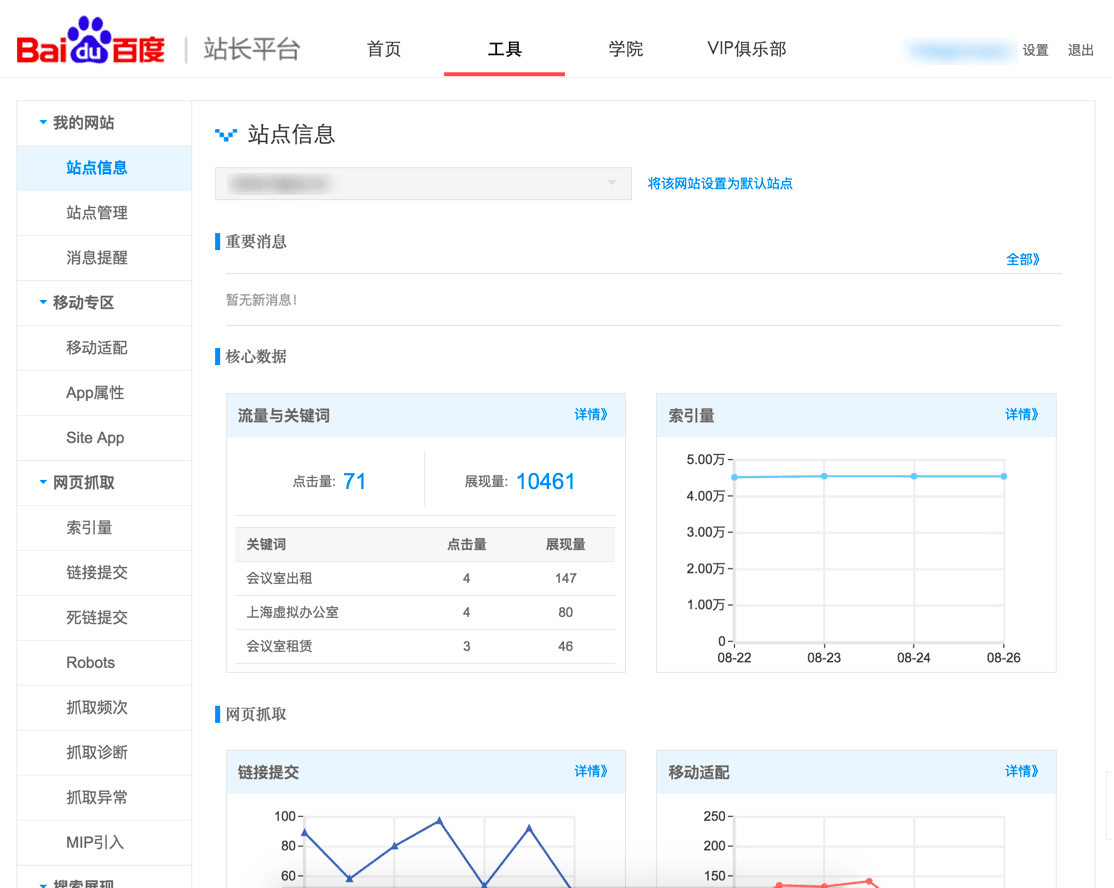
- Baidu Webmaster Tools – Use to submit sitemaps, check index status, and view crawl reports specific to Baidu.
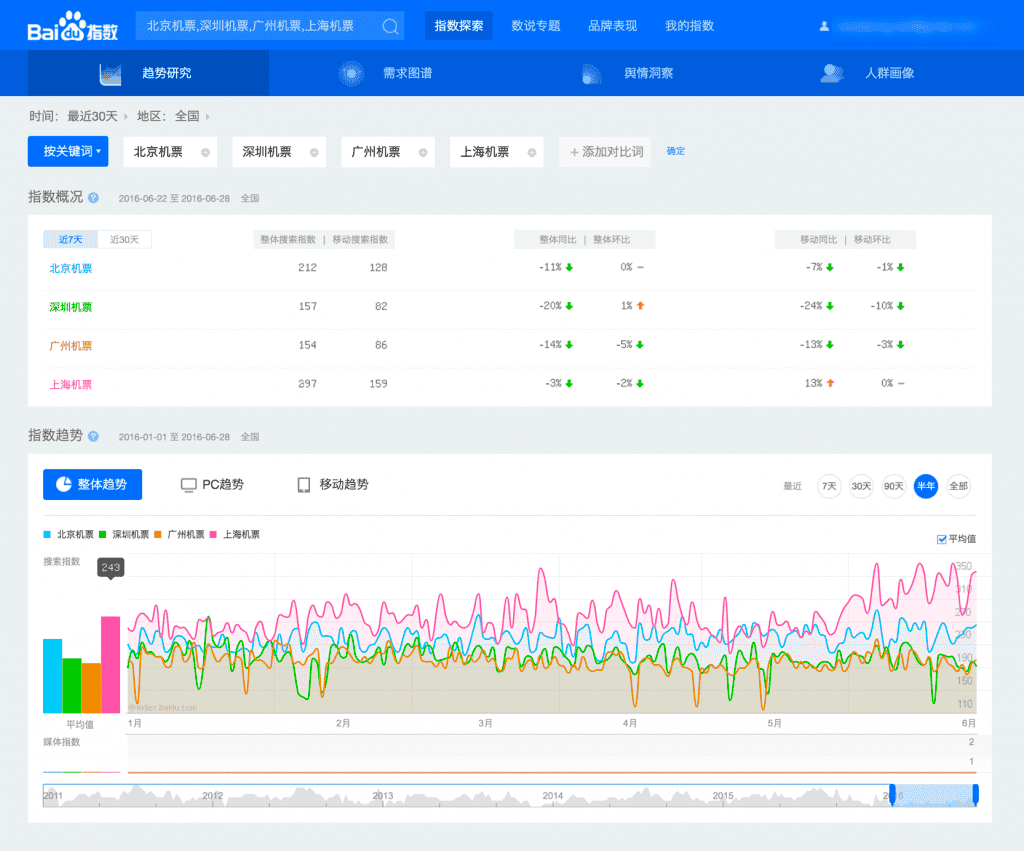
- Baidu Zhishu (Baidu Index) – Useful for keyword trends, search volume, and seasonality on Baidu.
- Sogou Webmaster Tools – Helps monitor Sogou indexing and search appearance.
- 360 Search Console – Track visibility and issues on the 360 search engine.
- Toutiao/ByteDance Analytics – For content discovery and feed optimization on Toutiao and related apps.
- XiongZhang (Baidu’s search feed tool) – Manage feed content and expedite indexing for mobile users.
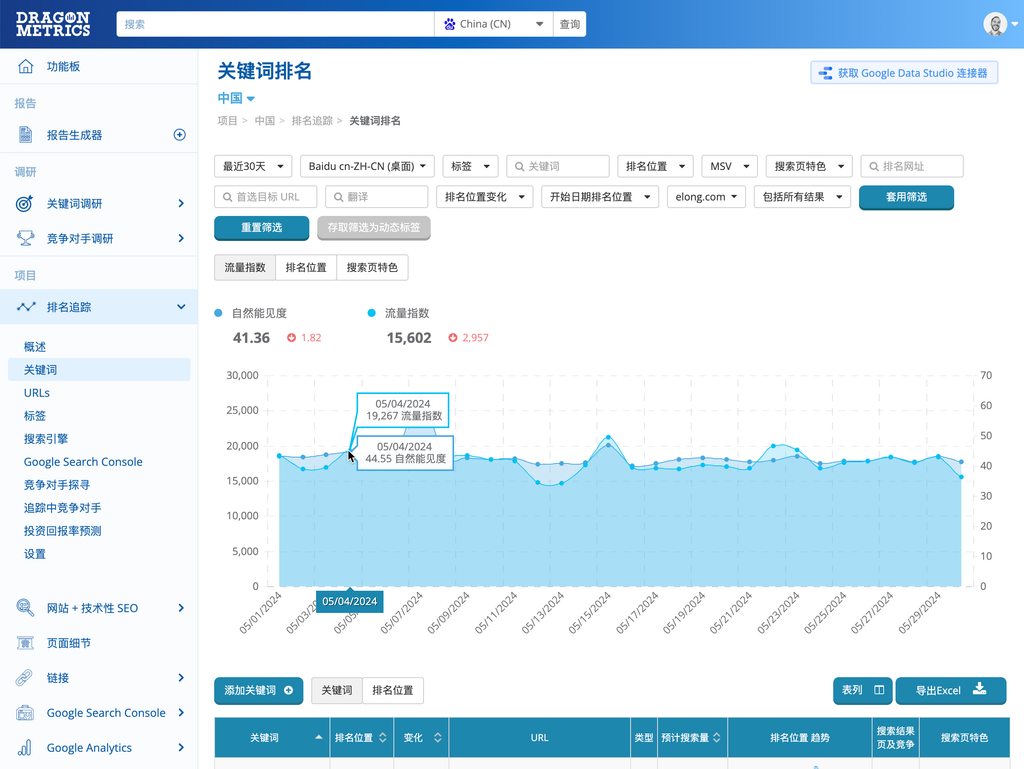
- Local rank-tracking tools – Several Chinese SaaS tools offer daily rank checks for target keywords across Baidu and Sogou.
- CDN and monitoring tools tailored for China – Measure page speed and uptime from within mainland China.
Practical tip: Combine web analytics with local tools. Use Baidu Webmaster Tools alongside your main analytics to reconcile data and verify traffic sources.

Keyword Research and Content Strategy with Chinese SEO Tools
Keyword research in China needs cultural context. Tools help, but interpretation matters. Use the following workflow.
- Start with seed topics relevant to your audience.
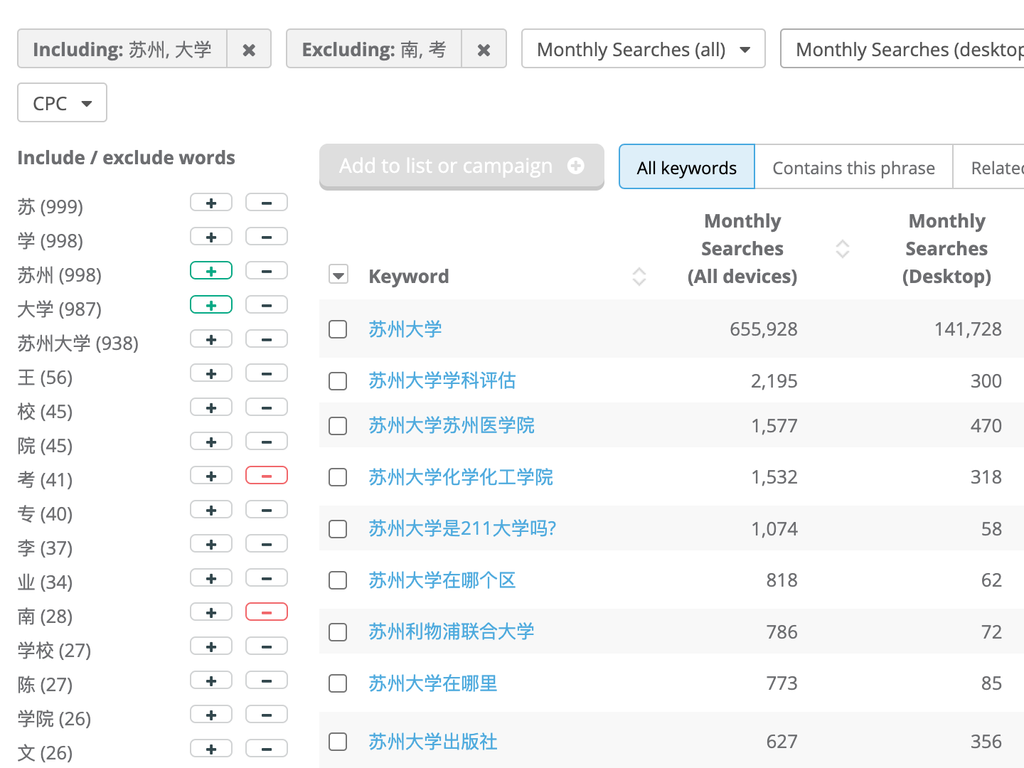
- Use Baidu Zhishu and Sogou trend tools to find high-volume queries.
- Analyze long-tail variations and question formats commonly used on Chinese forums.
- Map keywords to content types: articles, short videos, feed posts, and FAQs.
- Test titles and meta descriptions in Chinese and adjust for tone and intent.
Best practices:
- Prioritize local search intent. People often search with brand or product specifics.
- Optimize for simplified Chinese if your target is mainland China.
- Consider content formats that perform well in China, such as short articles and feed-optimized posts.
Example from my work: For a SaaS client, we used Baidu Zhishu to shift from generic English-style keywords to Chinese long-tail queries. Traffic doubled within two months after content rewrites and feed optimization.

Technical SEO and Localization Considerations
Technical issues can make or break visibility in China. Chinese search engines have unique requirements. Address these areas with chinese seo tools.
- Hosting and server location: Prefer servers in or near China. Tools can help test latency and crawlability from Chinese IPs.
- ICP license: For mainland China hosting, an ICP filing is required. Baidu and other tools often flag missing ICP info.
- Robots and sitemaps: Submit sitemaps to Baidu Webmaster Tools and ensure robots.txt allow crawling.
- Mobile-first optimization: Many Chinese users search on mobile apps. Use local speed-testing tools to measure mobile metrics.
- Charset and encoding: Use UTF-8 and verify display across major Chinese browsers and apps.
- Structured data and feed formats: Chinese engines support specific feeds (e.g., Baidu XiongZhang). Configure feeds for rapid indexing.
From experience: A client lost ranking due to slow responses from a foreign-hosted server. After moving to a China-friendly CDN and testing via local monitoring tools, rankings stabilized and loading times dropped sharply.

Measuring Performance with Chinese SEO Tools
Tracking progress requires the right metrics and reporting cadence. Local tools provide metrics not visible in global platforms.
Key metrics to track:
- Indexation and crawl errors reported by Baidu Webmaster Tools.
- Keyword rankings on Baidu, Sogou, and 360 search.
- Traffic from Chinese search engines in your analytics setup.
- Engagement on feed platforms like Toutiao and Baidu Feed.
- Page speed and time-to-first-byte tested from Chinese IPs.
Reporting workflow:
- Daily rank checks for high-priority keywords using local rank tools.
- Weekly crawl and index reports from Baidu Webmaster Tools.
- Monthly content performance review, comparing click-through rates and engagement across platforms.
Personal tip: Automate weekly exports from local tools. This reduces manual work and highlights sudden drops quickly, letting you respond faster.

How to Use Chinese SEO Tools: Practical Workflow
A clear workflow makes these tools actionable. Follow these steps to integrate chinese seo tools into your SEO process.
- Audit: Run a full technical audit using Baidu Webmaster Tools and local monitoring services.
- Research: Use Baidu Zhishu and search console data to assemble a prioritized keyword list.
- Create: Write content optimized for Chinese search intent and formats.
- Publish: Use proper feeds and submit sitemaps to local consoles.
- Monitor: Track rankings, indexation, and site health with daily checks.
- Iterate: Use data from tools to refine content, metadata, and technical fixes.
Real-world example: I performed this workflow for an e-commerce site entering China. The audit revealed duplicate content and slow pages. We fixed issues and used Baidu’s feed tools to speed indexing. Sales rose from organic traffic within three months.
Common Mistakes and How to Avoid Them
Avoid these frequent pitfalls when using chinese seo tools.
- Relying solely on global tools. They miss China-specific signals and issues.
- Neglecting ICP and server location. This can block indexing or reduce speed.
- Translating content word-for-word. Cultural nuance and local phrasing matter.
- Ignoring feed optimization. Many Chinese users find content through feeds and apps.
- Not monitoring mobile experience. Much of China’s traffic is mobile-first.
Fixes are usually straightforward. Use local tools to diagnose, prioritize issues, and take targeted action. Small technical changes often yield large gains.

Integration with Other Channels and Tools
SEO in China interacts closely with social and paid channels. Leverage chinese seo tools alongside content and ads.
- Use insights from Baidu and Toutiao to adapt ad creative and landing pages.
- Sync keyword lists between SEO and paid search teams.
- Monitor social platforms and forums for trending queries that can become content topics.
- Use analytics to measure cross-channel attribution for organic and paid campaigns.
From my projects: Coordinating SEO and paid teams using shared keyword data reduced CPCs and improved landing page relevance. This unified approach boosted conversions and lowered acquisition costs.
Frequently Asked Questions of chinese seo tools
What are the essential chinese seo tools to start with?
Start with Baidu Webmaster Tools, Baidu Zhishu, and a local rank-tracking tool. Add Sogou and 360 Search Console as you scale.
Do I need hosting inside China for SEO?
Hosting inside China often improves speed and crawlability, but CDNs and Hong Kong servers can work as alternatives. An ICP filing is required only for mainland-hosted sites.
How different is keyword research for China?
Keyword intent and phrasing differ greatly. Use local trend tools and pay attention to long-tail, question-style queries common in Chinese searches.
Can I use Google Analytics for China SEO?
Google Analytics may miss traffic due to network blocks. Use local analytics or tag server-side events and cross-check with Baidu Webmaster Tools.
How often should I check chinese seo tools?
Check core metrics daily for high-priority keywords and weekly for indexation and crawl reports. Monthly reviews help with strategic planning.
Are there language or cultural tips for content?
Yes. Use simplified Chinese for mainland China, and adjust tone for local preferences. Cultural context improves engagement and CTR.
Conclusion
Mastering chinese seo tools is essential for any brand that wants reliable organic growth in China. Focus on local search engines, use region-specific tools for research and technical audits, and optimize content for Chinese users and formats. Start with the basics—webmaster tools, keyword trends, and mobile testing—and build a regular monitoring routine.
Take action today: run a quick audit with a Baidu tool, pick three priority keywords, and publish one localized piece of content. Track results, iterate, and scale what works. Share your questions or experiences below to continue the conversation.