

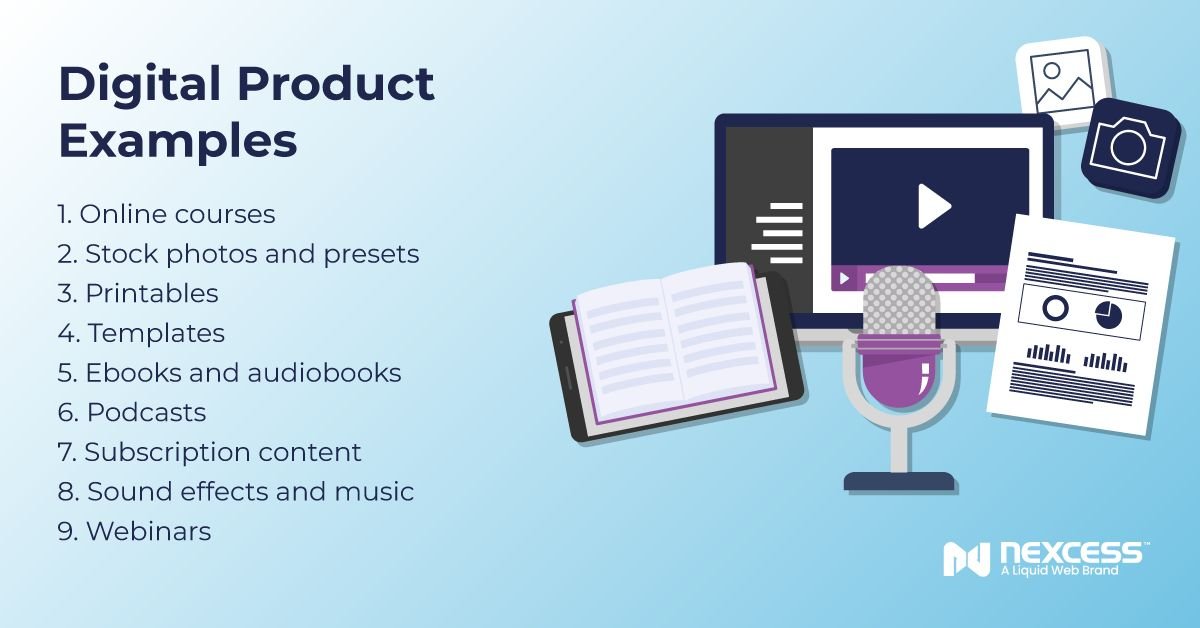
Top digital products to sell include ebooks, courses, templates, presets, and software.
If you want steady income without shipping or inventory, digital products to sell make sense. I’ve built and sold templates, mini-courses, and plugins, and I’ve helped clients scale digital catalogs from zero to six figures. In this guide, I’ll unpack digital products to sell, show you how to choose the right offer, validate it fast, price it well, and market it with clarity and confidence.

What makes a great digital product
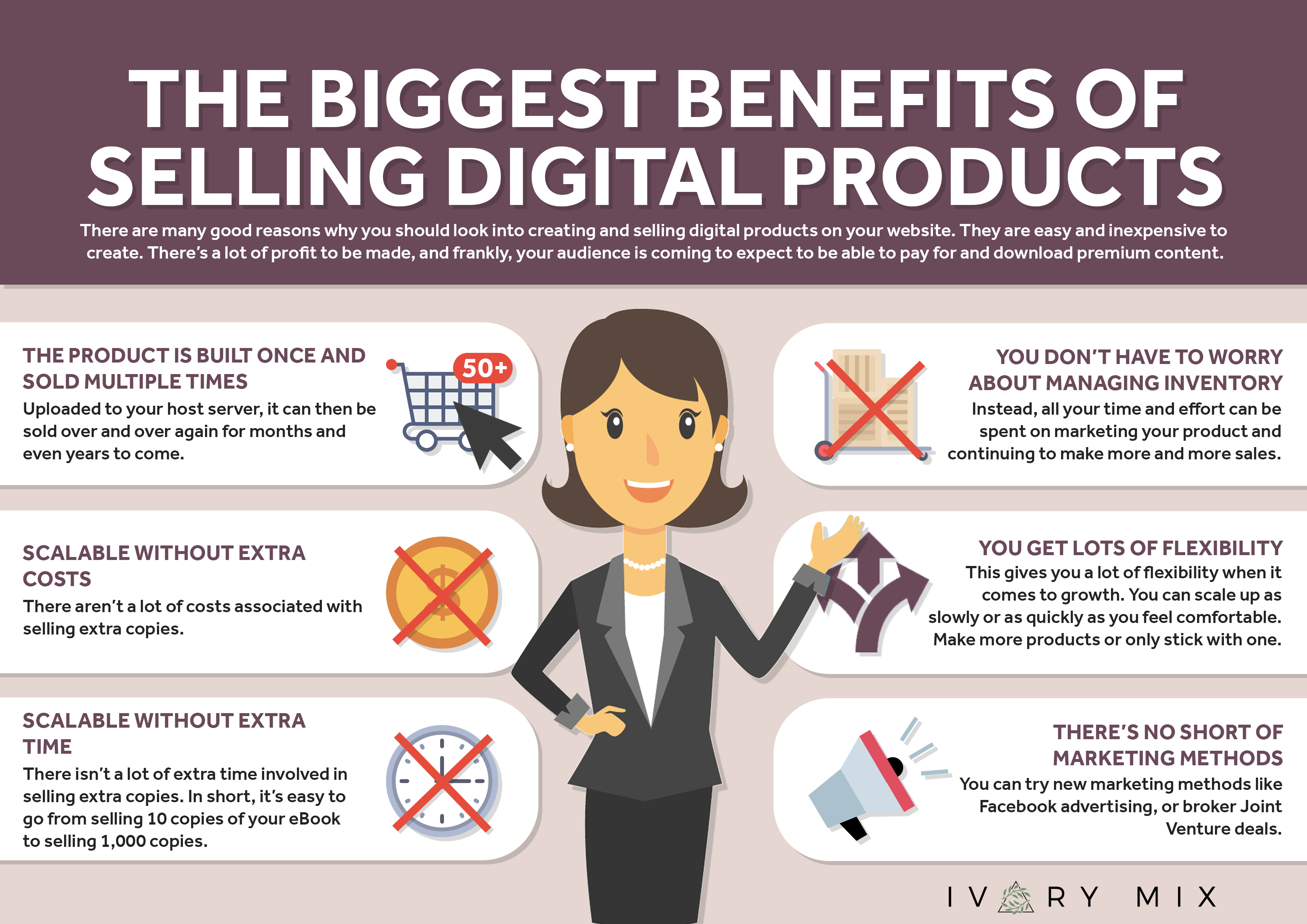
The best digital products to sell solve a clear pain. They save time, help someone earn more, or remove frustration. They scale without more cost. And they stand out with a niche or a unique promise.
Look for these traits:
- Urgent problem and repeat demand
- Clear outcome and simple onboarding
- High perceived value and low support load
- Easy delivery and low refund risk
- Legal clarity on rights and licenses
Examples that fit well:
- A Notion CRM template for solo consultants
- A Lightroom preset pack for real estate photos
- A micro-SaaS that pulls social proof into landing pages
- An ebook for busy parents on meal prep in 30 minutes
Digital products to sell with these traits win because they reduce friction for both you and the buyer.

High-profit digital products to sell by category
These categories work because buyers already search for them. Choose the niche you know best. Then narrow your angle.
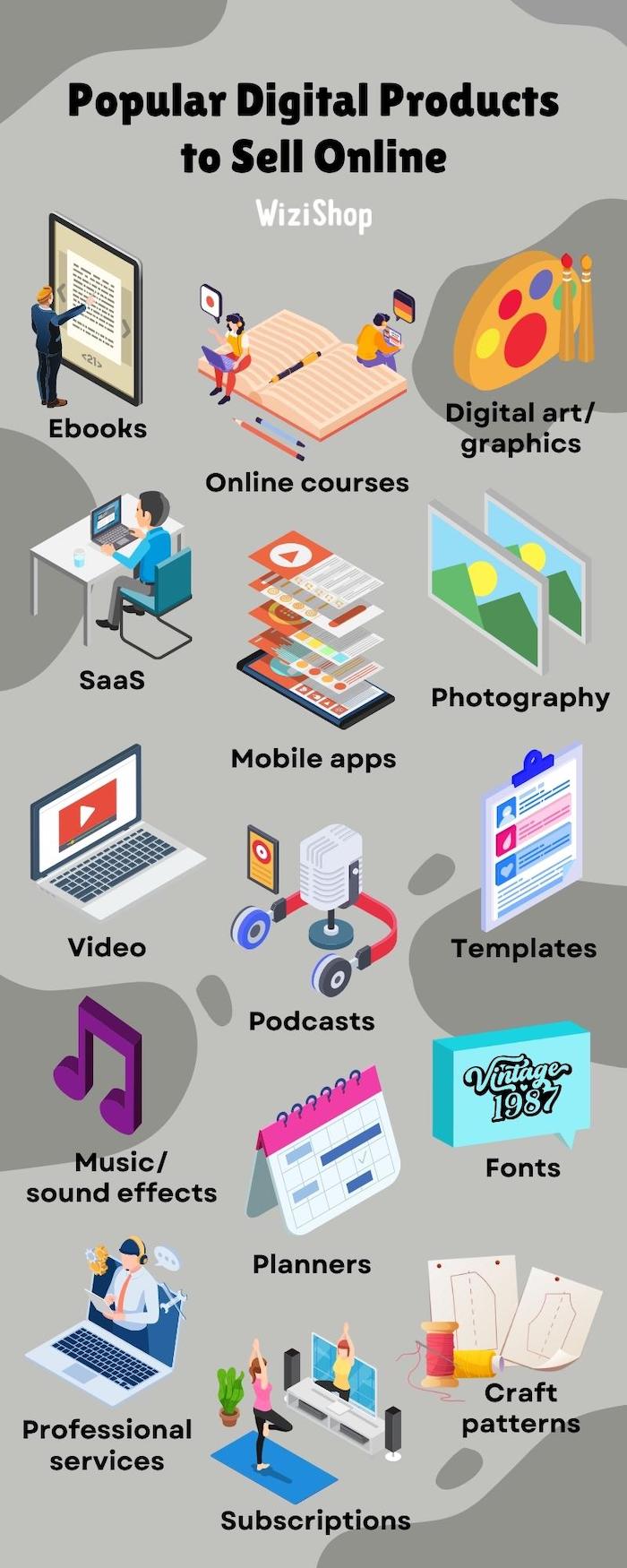
Education and knowledge
- Ebooks and guides Short, focused, and easy to update. Great for niche topics.
- Cohort or self-paced courses Use screen recordings and templates. Add community for higher price.
- Workshops and webinars Live or recorded. Perfect for high-intent audiences.
Typical price range: 9 to 499. Margin is high. Add templates or checklists to increase value.
Creative assets
- Design templates Slide decks, brand kits, social media packs.
- Themes and UI kits Webflow, WordPress, Figma components.
- Fonts and icon sets Small files with big value when licensed well.
- Stock photos and mockups Niche wins. Think industry-specific sets.
These digital products to sell work well on marketplaces and your own site.
Audio and video tools
- Presets and LUTs Packs for Lightroom, Premiere, DaVinci.
- Sample packs and sound effects Niche genres and unique textures.
- Stream overlays and lower thirds Gamers and YouTubers buy these often.
Buyers love fast results. Include a short setup guide or video.
Software and automations
- Micro-SaaS Solve one job better than anyone else.
- Plugins and add-ons Figma, WordPress, Shopify, Chrome.
- Scripts and automations Zapier, Make, Python scripts with a GUI.
These digital products to sell can create recurring revenue. Keep support scoped and offer tiers.
Business templates and documents
- SOPs and checklists Hiring, onboarding, content ops, QA.
- Legal and finance templates Contracts, invoices, policies. Offer jurisdiction notes.
- Analytics dashboards Sheets, Data Studio, Notion. Include sample data.
Clarity, accuracy, and disclaimers matter. Buyers want ready-to-use assets.
Memberships and communities
- Paid newsletters Deep dives with templates and office hours.
- Private communities Peer learning and accountability.
- Resource libraries Monthly drops with new assets.
Bundle these digital products to sell with perks to reduce churn.
Idea validation and market research
Avoid building in a vacuum. Validate the demand first. It saves time and protects morale.
Steps I use:
- Search intent Check search results, autosuggest terms, and related queries. Note gaps.
- Competitor scan Buy or test the top three. List pros and cons. Spot missing features.
- Niche the angle Pick one audience and one job to be done. Keep it tight.
- Quick survey Ask 10 to 20 ideal buyers what slows them down and what they have tried.
- Pre-sell Offer a waitlist or early-bird pricing. Set a clear delivery date and scope.
- MVP delivery Ship the core result, not every idea. Add features later.
From my experience, my best-selling Notion template came from 15 short calls with freelancers. The language they used became my sales copy. That is how you find digital products to sell that people actually buy.
Pricing, packaging, and positioning
Your price signals value. Package it so the offer feels obvious.
Smart pricing moves:
- One-time vs recurring Use recurring for updates or hosted tools. Use one-time for assets.
- Tiered pricing Offer Basic, Pro, and Team. Add licenses, support, and extras for higher tiers.
- Bundles Combine related digital products to sell at a slight discount to grow average order value.
- Anchoring Show a higher-value tier first to set context.
- Limited-time bonuses Add templates, calls, or community access for launch windows.
Positioning tips:
- Lead with outcome not features
- Show two or three clear use cases
- Use language your buyers use
- Include a short demo video

Platforms and tools to launch fast
Pick tools that remove friction. You can switch later when you outgrow them.
Good options:
- Marketplaces Etsy for templates, Envato for themes, and photo sites for stock. Faster traffic, lower control.
- Creator platforms Gumroad, Lemon Squeezy, and Payhip. Simple checkout, tax handling, and updates.
- Your own store Shopify with digital delivery apps or WordPress with WooCommerce or Easy Digital Downloads. More control, more setup.
- Course platforms Teachable, Podia, and Kajabi. Built-in video hosting and checkout.
- Delivery and licensing Use stamped licenses, license keys for plugins, and simple PDFs for guides.
Cover taxes and compliance. Many platforms handle EU VAT and sales tax. Keep your files small and versioned. Make the download flow simple. These help you sell more digital products to sell with less support.
Marketing playbook for digital products
Marketing starts on day one. Sell the problem before you sell the product.
Core channels:
- SEO Use the exact terms your buyers search. Create how-to posts, comparison pages, and templates with examples.
- Email Build a simple three-email sequence educate, show outcomes, and ask for the sale.
- Social Show before and afters. Share micro-tips. Post demos and workflows.
- Affiliates Offer 20 to 40 percent. Give assets and swipe copy.
- Partnerships Co-create with a niche creator. Share revenue and access.
- Paid ads Test small budgets on niche keywords and retargeting.
Pages to build:
- Landing page Promise, proof, preview, and price.
- Demo page Short video with steps. Add a sample download.
- Support and policy page Refunds, licensing, and contact.
Track this:
- Conversion rate and average order value
- Refund rate and support tickets
- Repeat purchases and email growth
Use these to refine digital products to sell and your message.

Customer experience, support, and legal
Trust sells. Support keeps customers. Clear terms lower risk.
Best practices:
- Onboarding Add a quick start guide and a 2-minute video.
- Documentation Use short steps with screenshots.
- Support window Promise a response time. Set simple expectations.
- Refund policy Clear, fair, and specific. Protect from abuse with version checks.
- Accessibility Provide captions, alt text, and readable fonts.
- Legal Include licensing terms, disclaimers, and usage limits. Note non-transferability.
- Compliance Consider GDPR, data rights, and consent for any tracking.
When you sell digital products to sell worldwide, keep a plain-English policy page. Buyers value clarity more than legal jargon.
Scaling, analytics, and optimization
Once you have product-market fit, scale with focus. Let data guide your next move.
Do this next:
- A/B test pricing pages and hero headlines
- Add upsells and cross-sells that complement the main offer
- Release version updates and a roadmap
- Launch bundles and seasonal offers
- Track cohorts for memberships to reduce churn
Use analytics to spot winners. Retire weak offers and double down on best-selling digital products to sell.
Case studies and real-life lessons
Template launch I sold a Notion client portal template. I pre-sold 50 seats at a discount, shipped the core in two weeks, and crossed 10,000 in 45 days. The key was a short demo that showed a real client handoff.
Preset pack I released a small LUT pack for wedding videographers. Sales were slow until I posted side-by-side clips. That one post tripled sales. Show, do not tell, especially for visual digital products to sell.
Micro-SaaS A friend built a Chrome extension for job seekers. Simple feature, clear result. He priced at 5 per month and added an annual plan after users asked. Support stayed light due to a tight scope.
Common mistakes to avoid
Avoid these traps when picking digital products to sell:
- Building before validating the exact problem
- Selling to everyone instead of one niche
- Overpricing without proof or underpricing without a plan
- No onboarding or unclear licensing
- Relying on one channel for all traffic
- Ignoring support and refund data
- Letting scope creep kill updates
A simple rule Solve one job well, for one buyer, with one clear outcome.
A 7-day launch plan
Day 1 Define the buyer, the problem, and the promise. Write a one-page brief.
Day 2 Validate with five quick calls or chats. Adjust scope.
Day 3 Build the MVP. Focus on the core result. Skip extras.
Day 4 Create the landing page. Add a demo video and sample.
Day 5 Set pricing and a simple refund policy. Prepare emails.
Day 6 Soft launch to your list or community. Offer an early-bird bonus.
Day 7 Collect feedback, fix friction, and post on two channels. Start a small ad test.
Repeat weekly. Improve. This pace helps you find winning digital products to sell fast.
Frequently Asked Questions of digital products to sell
What are the easiest digital products to sell for beginners
Ebooks, checklists, and simple templates are easiest. They require minimal tools and support.
How do I choose a niche for digital products to sell
Follow your skills and the problems you see often. Validate with quick interviews and search data.
What file types should I deliver
Use common formats like PDF, PNG, MP4, and ZIP. For software, include clear version notes and a changelog.
How do refunds work with digital goods
Offer a fair window and clear terms. Use watermarked samples or partial previews to reduce misuse.
Do I need to register a business to sell digital goods
It depends on your country and volume. Keep clean records, handle taxes, and consult a local professional.
How can I prevent piracy
You cannot stop it fully. Use license keys, watermarks, and frequent updates to keep value high.
What marketing channel converts best for digital products to sell
Email often wins due to trust and timing. Pair it with SEO and proof-driven content.
Conclusion
Digital products to sell give you scale, speed, and freedom. Start with one clear problem, ship a simple solution, and show the outcome. Then iterate with feedback and data.
Small steps lead to big wins. Pick a niche, draft your offer today, and validate with a short demo. If this guide helped, subscribe for more playbooks, or share your idea in the comments so I can help you refine it.