

Use open-source projects, free trials, community licenses, and educational offers to get tools.
I have spent years sourcing and testing software and physical tools for teams, freelancers, and hobbyists, so I understand how to get free tools reliably and safely. This guide shares proven paths, practical checks, and real-world tips so you can find the right free tools without wasting time or risking security. Read on to learn step-by-step methods, trusted sources, licensing details, and clear examples you can use today to obtain and evaluate free tools.

Why seek free tools?
Free tools lower the barrier to entry. They let you test ideas, learn new skills, and scale without upfront cost. Many free tools are robust and backed by active communities or reputable companies. When you know how to get free tools the right way, you save money and gain flexibility.

Where to find free tools
Finding free tools is a mix of knowing the right sources and timing. Below are reliable places to start when learning how to get free tools.
- Official vendor websites. Look for “free tier,” “community edition,” or “trial” on product pages.
- Open-source repositories. Search popular code hosts and package registries for mature projects.
- Educational portals and student programs. Many vendors offer free or discounted access for learners and educators.
- Nonprofit and public sector programs. Government and nonprofit initiatives often publish toolkits and software for public use.
- Community forums and subreddits. Experienced users share links to valid free tools and promotions.
- Bundles and giveaway platforms. Bundles or seasonal promotions sometimes include lifetime access to tools.
- Beta programs and testing channels. Participating in betas can grant early free access in exchange for feedback.
Types of free tools and what to expect
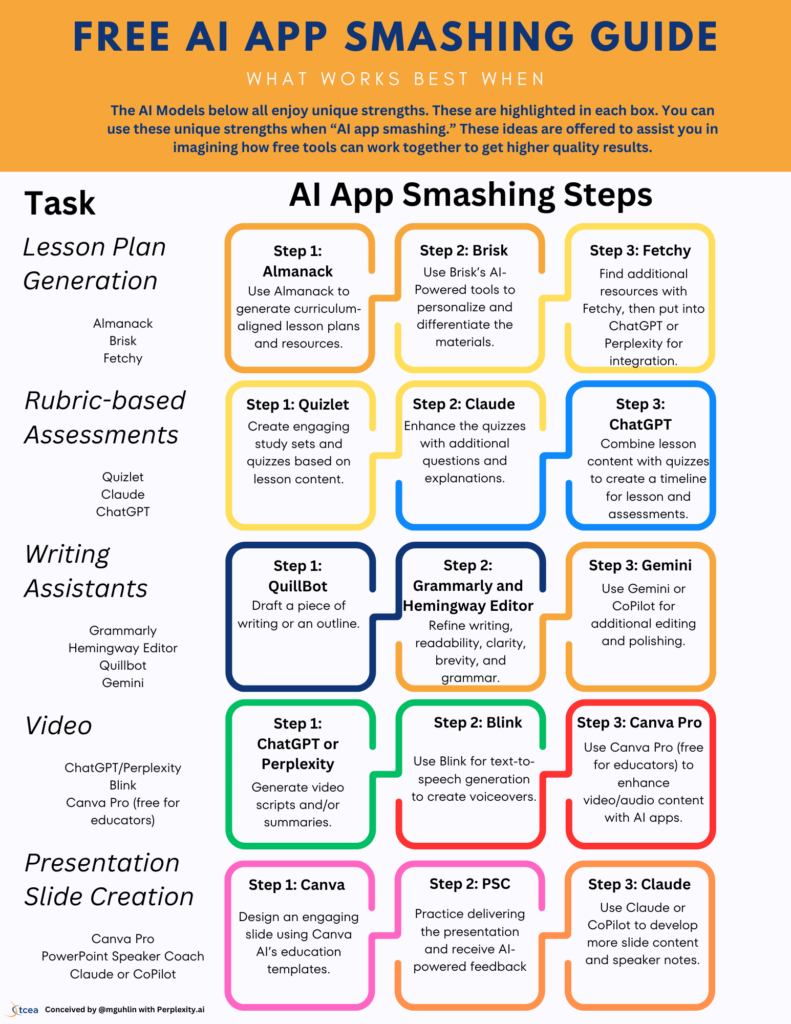
Free tools come in predictable models. Knowing the model helps set expectations.
- Open-source software. Full source code is available; community support is common and licensing is explicit.
- Freemium products. Core features are free; advanced options cost money.
- Time-limited trials. You get full access for a short period to evaluate the product.
- Community or education editions. Feature-limited but free for noncommercial use.
- Cloud provider free tiers. Limited resources at no cost, useful for testing and small projects.
- Promotional giveaways. Temporary or permanently free licenses offered during launches or events.
Expect trade-offs in support, feature depth, or usage limits when you choose free tools. Knowing these trade-offs helps you plan upgrades or workarounds.
Practical methods: how to get free tools legally and ethically
Use these proven methods to obtain tools without breaking rules.
- Use open-source alternatives. Search for mature projects with active maintainers and frequent releases.
- Claim vendor free tiers and trials. Register with a business or student email when required and track trial end dates.
- Apply for educational licenses. Verify eligibility through your institution or student email.
- Join developer or community programs. Open-source projects and vendor communities often distribute free keys.
- Participate in betas and user testing. Provide useful feedback in exchange for temporary or extended access.
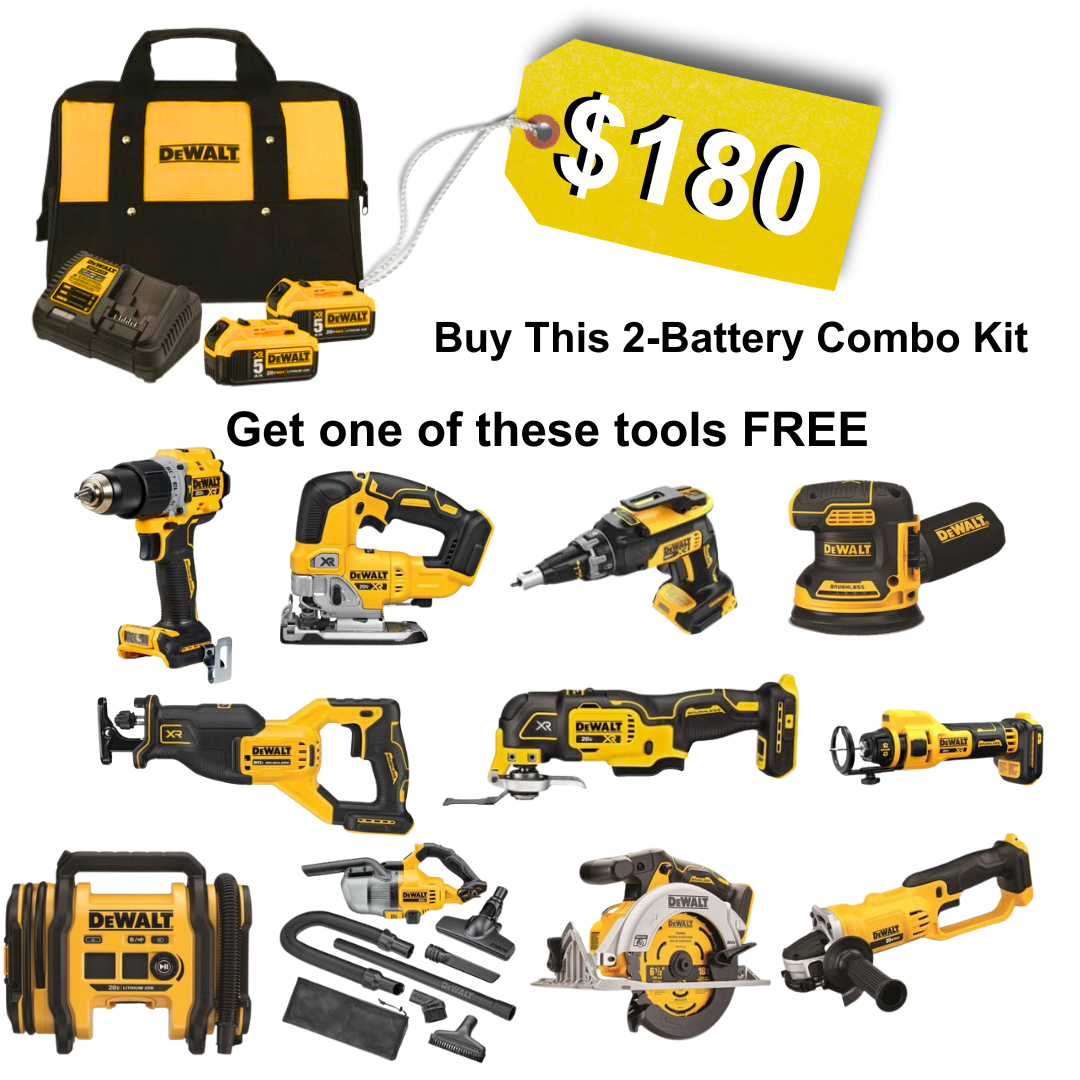
- Watch promotions and bundles. Follow reputable deal sites for limited-time offers that bundle premium tools.
- Swap skills for access. Offer small work or documentation help to maintainers in exchange for access.
- Use nonprofit discounts or grants. Eligible organizations can obtain free or reduced-cost tools from major vendors.
These approaches preserve legal and ethical standards while maximizing value. Always read license terms and honor usage restrictions.

How to evaluate and verify free tools
Not every free tool is safe or worth your time. Use a checklist to verify quality and trustworthiness.
- Check the license. Confirm permitted uses, redistribution rules, and attribution needs.
- Review update frequency. Recent commits or releases show active maintenance.
- Read community feedback. Look for consistent praise or repeated warnings in forums and issue trackers.
- Inspect source or package integrity. For code, review the repository and dependency tree for red flags.
- Confirm data and privacy policies. Ensure the tool does not collect or share sensitive data unexpectedly.
- Validate vendor reputation. Established vendors with clear support channels are safer for business use.
Perform a small, noncritical test to validate functionality before full adoption.

Personal experience and tips from the field
I have built workflows using free tools for design, development, and marketing. Here are lessons learned the hard way.
- Start with a short pilot. I once adopted a free project-wide tool without piloting; hidden limitations forced a costly switch. Now I always run a short trial loop before broad rollout.
- Keep a compatibility checklist. Free tools may lack integrations. I record required integrations and test them early to avoid surprises.
- Contribute back when possible. Reporting bugs or writing short docs often earned me favors and extended access from maintainers.
- Track licenses in a simple sheet. I maintain a small spreadsheet listing free tools, license terms, renewal dates, and risk notes.
- Use multiple tools in parallel. Combining a few free tools often matches a single expensive solution, with the trade-off of integration work.
These practical tips make how to get free tools a repeatable, low-risk process.
Common risks and how to avoid scams
Free offers attract bad actors. Protect yourself with these safeguards.
- Avoid deals that demand upfront payment for "free" codes. Legitimate free tools should not require wire transfers or gift cards.
- Check for HTTPS and verified domains. Fake sites often use misspellings or unsecured connections.
- Beware of download bundles with extra installers. Always use official repositories or vendor sites to avoid bundled malware.
- Read user reviews across multiple platforms. One positive review is not enough; look for patterns.
- Limit permissions for new tools. Run tools in sandboxes or with limited accounts until verified.
When in doubt, test in an isolated environment and consult community feedback before using a free tool in production.

Examples by category: where to get free tools quickly
Below are practical alternatives and sources when you need free tools fast.
- Design and graphics
- Use open-source editors and free web apps for mockups, icons, and simple raster/vector work.
- Development and collaboration
- Host code on free repositories and use community CI/CD tiers for small projects.
- Productivity and office
- Try community editions of office suites, note apps, and lightweight project managers.
- Marketing and SEO
- Use free tiers of analytics and keyword tools to start campaigns and track basic metrics.
- Video and audio
- Use free editors and community plugins for basic editing and podcast production.
- Security and testing
- Use open-source scanners, local test environments, and free vulnerability databases.
These examples highlight practical ways to implement how to get free tools in everyday workflows.
Frequently Asked Questions of how to get free tools
How do I safely download free tools?
Use official vendor sites or trusted repositories, verify HTTPS and signatures, and scan downloads with antivirus software.
Are free tools legal for business use?
It depends on the license; check commercial use clauses and terms. Some free editions are for personal use only.
Can I get premium software for free through promotions?
Yes, vendors sometimes offer temporary promotions or grants, but confirm legitimacy and duration before relying on them.
What is the best way to find open-source alternatives?
Search well-known code hosts, filter by stars and recent activity, and read issue histories to assess health.
How can students access free tools?
Students can use institutional programs, student email sign-ups, and dedicated student portals to claim free or discounted access.
How do I handle data privacy with free tools?
Review privacy policies, minimize sensitive data use, and prefer tools with transparent data handling and opt-out options.
Conclusion
Free tools can unlock creativity, reduce cost, and accelerate learning when sourced and evaluated carefully. Focus on reputable channels, verify licenses and security, and pilot tools before wide use to avoid surprises. Start today by choosing one category, testing a vetted free tool, and documenting results to build a reliable toolkit. Share your experience or subscribe for updates to learn more about how to get free tools and make smarter choices.