

Programmatic SEO tools automate large-scale page creation, optimization, and performance tracking for niche keyword targets.
I have built and audited SEO systems for years, and I rely on programmatic SEO tools to scale work that would be impossible by hand. This article explains what programmatic SEO tools are, how they work, and how to pick and use them well. You will find practical steps, real-world tips from my experience, and clear criteria to compare tools. Read on to learn how programmatic SEO tools can turn data and templates into steady organic traffic gains.
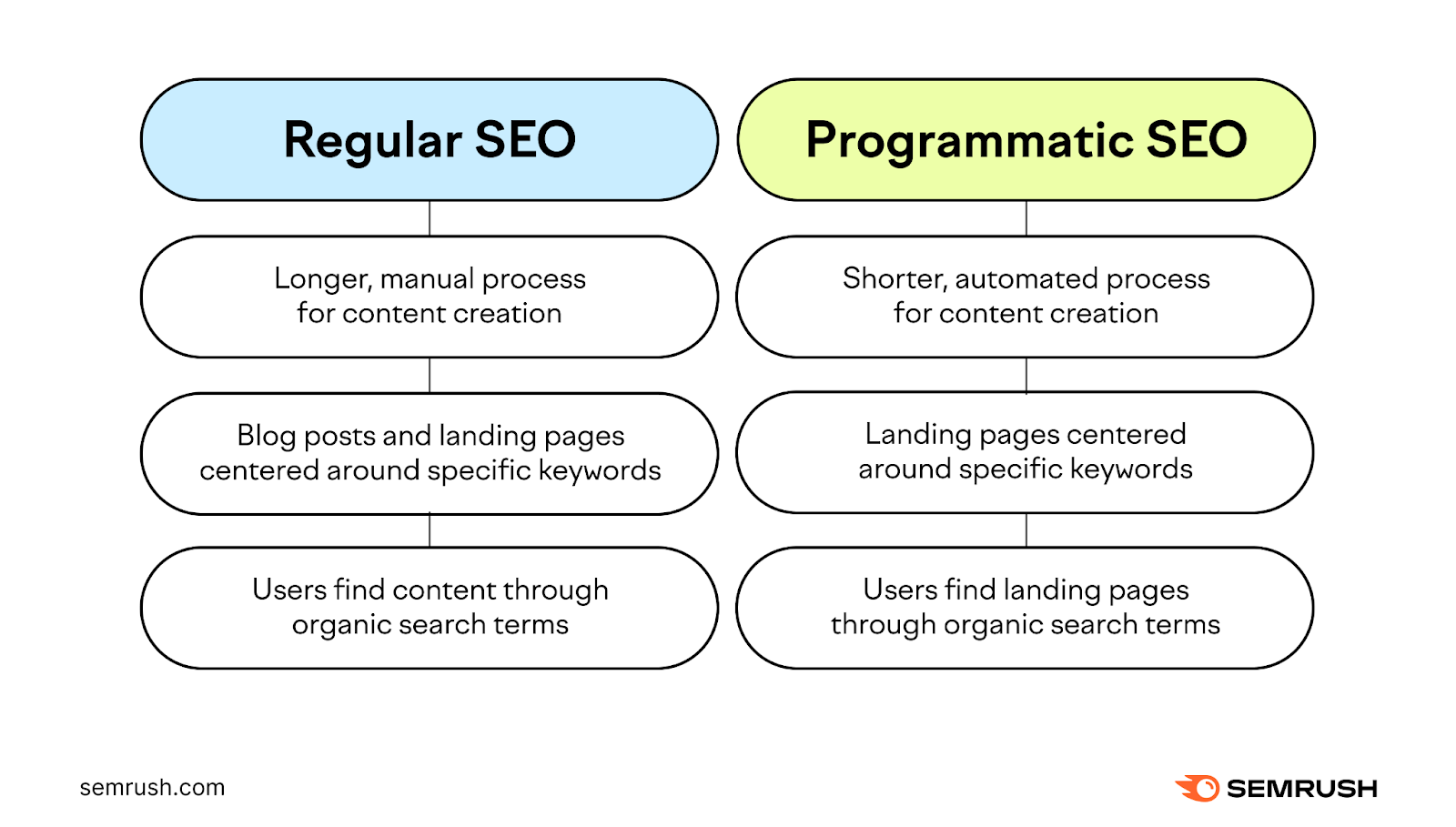
What are programmatic SEO tools and why they matter
Programmatic SEO tools let you create and manage many optimized pages using templates, data, and automation. They take structured data and turn it into search-friendly content at scale. When you need thousands of pages that follow a pattern, programmatic SEO tools save time and keep quality consistent. For sites with large inventories, local pages, or repeated patterns, these tools make growth predictable and cost efficient.

Key features to look for in programmatic SEO tools
Choose tools that support clear templates and robust data handling. Look for these core features:
- Template engine: Easy template editing with dynamic fields.
- Data connectors: Import from CSV, APIs, or databases.
- SEO controls: Custom meta tags, schema markup, and canonical rules.
- Indexing management: Automated sitemap and crawl directives.
- A/B testing and analytics: Track which templates and content win.
Security and performance matter too. Tools should serve fast pages and support caching. They must let you control robots rules and canonicalization. These safeguards prevent index bloat and duplicate content.
Top use cases and practical workflows
Programmatic SEO tools shine in repeatable, data-driven scenarios. Common use cases include:
- Local landing pages: Generate one page per city or ZIP with local data.
- Product catalogs: Create unique product pages from SKU attributes.
- Directory and listing sites: Turn listings into unique, SEO-optimized pages.
- Event or job pages: Auto-generate pages from feeds and calendars.
A simple workflow looks like this: gather clean data, build a template, map fields, test a subset, then deploy and monitor. I once used this flow to launch 3,000 city pages in stages. We tested templates on 100 pages first, fixed content repetition, then scaled. That guarded rankings and boosted traffic.

How to choose the right programmatic SEO tools for your business
Match the tool to your scale, team skills, and infrastructure. Ask these questions:
- How many pages do I need to generate?
- Will SEO writers edit templates, or will engineers run the system?
- Is my site static, dynamic, or headless?
- Does the tool integrate with my CMS or stack?
Consider cost, ease of use, and control over on-page elements. I once picked a low-cost tool for a small catalog and later moved to a platform with better schema control. That move raised click-through rates and cut manual fixes.
Implementation steps: from planning to scale
Follow a clear plan to avoid wasted effort. Use these steps:
- Audit and structure data: Clean fields and remove duplicates.
- Prototype templates: Build one template per content type.
- Run a pilot: Publish a small batch and monitor index signals.
- Optimize content: Adjust templates for CTR, time on page, and conversions.
- Scale gradually: Push more pages as metrics prove success.
During rollout, keep logs and version control. This helps you roll back when a template unintentionally harms rankings. My teams use staged releases to limit risk and speed fixes.

Common pitfalls and how to avoid them
Programmatic SEO tools can create problems if misused. Avoid these mistakes:
- Creating low-value pages: Thin pages hurt rankings and waste crawl budget.
- Ignoring canonicalization: Duplicate content will confuse search engines.
- Skipping local verification: Wrong local data damages trust.
- Poor template testing: Small errors amplify at scale.
From my experience, one bad template cost us a month of recovery work. We fixed it by pausing generation, correcting the template, and resubmitting sitemaps. Always monitor search console, index rates, and user metrics after each batch.

Metrics and measurement: what to track
Measure both SEO health and business value. Track these metrics:
- Index coverage: How many pages are indexed and where errors occur.
- Organic traffic by template: Which templates drive the most visits.
- Click-through rate: Does the title and meta entice clicks?
- Engagement signals: Time on page and bounce rates show value.
- Conversions and revenue: Tie pages to business outcomes.
Set alerts for sudden drops in impressions or spikes in crawl errors. I recommend weekly checks at first, then bi-weekly as systems stabilize. This keeps programmatic SEO tools aligned with goals.

Frequently Asked Questions of programmatic seo tools
What does programmatic SEO tools mean?
Programmatic SEO tools are software that automate the creation and optimization of many search pages using templates and data. They help scale repetitive SEO tasks that would be slow and error-prone if done manually.
Are programmatic SEO tools suitable for small sites?
Yes, small sites can benefit if they have repeatable page types, like product lists or event pages. Start with a pilot to test value before full scale.
How do programmatic SEO tools handle duplicate content?
Good tools let you set canonical tags and noindex rules and control sitemap inclusion. Proper canonical and unique content per template reduce duplication risk.
Do programmatic SEO tools require coding skills?
Some tools are no-code with visual templates, while others need developer input for data connectors and advanced rules. Choose based on your team’s skills.
Can programmatic SEO tools improve rankings?
They can if pages provide unique value, match user intent, and follow SEO best practices. Poorly designed programmatic pages can hurt rankings, so quality matters.
How do I test templates before scaling?
Publish a small batch and monitor impressions, index status, and user signals for 2–4 weeks. Use those results to refine templates before a wider rollout.
Conclusion
Programmatic SEO tools let you build many targeted pages quickly and consistently. Used right, they boost reach and free your team for strategic work. Start with clean data, test templates, and track key metrics to protect rankings. Try a small pilot, learn from results, and scale in stages. If you found these tips useful, subscribe for more guides, or leave a comment about your programmatic SEO tools experience.