

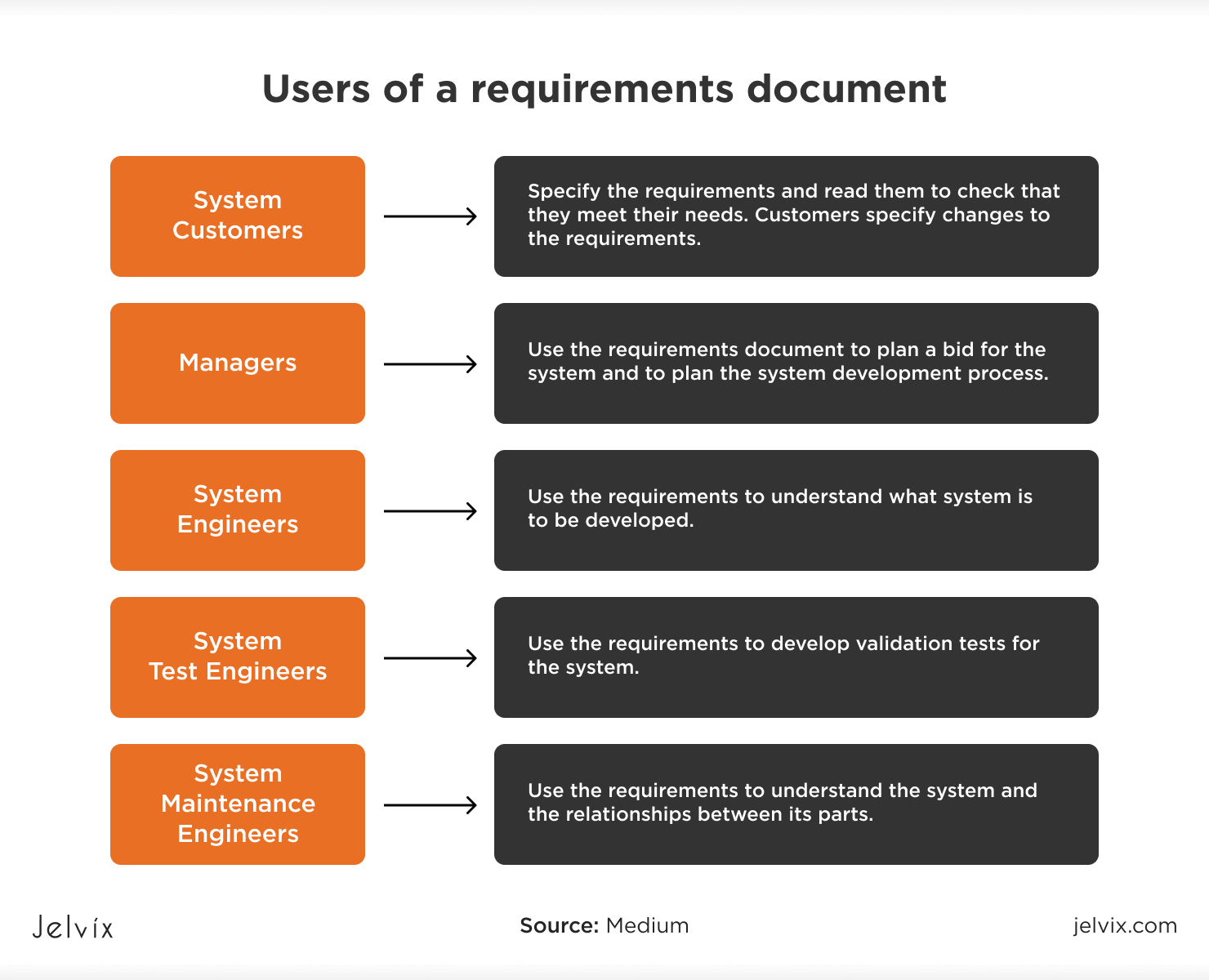
Software specifications define what a software system must do and how it should behave.
I have designed and reviewed many specifications in my career. I write clear, practical guides that help teams deliver software on time. This article explains what are software specifications, why they matter, how to write them, and common mistakes to avoid. Read on to learn a complete, usable approach you can apply to your next project.
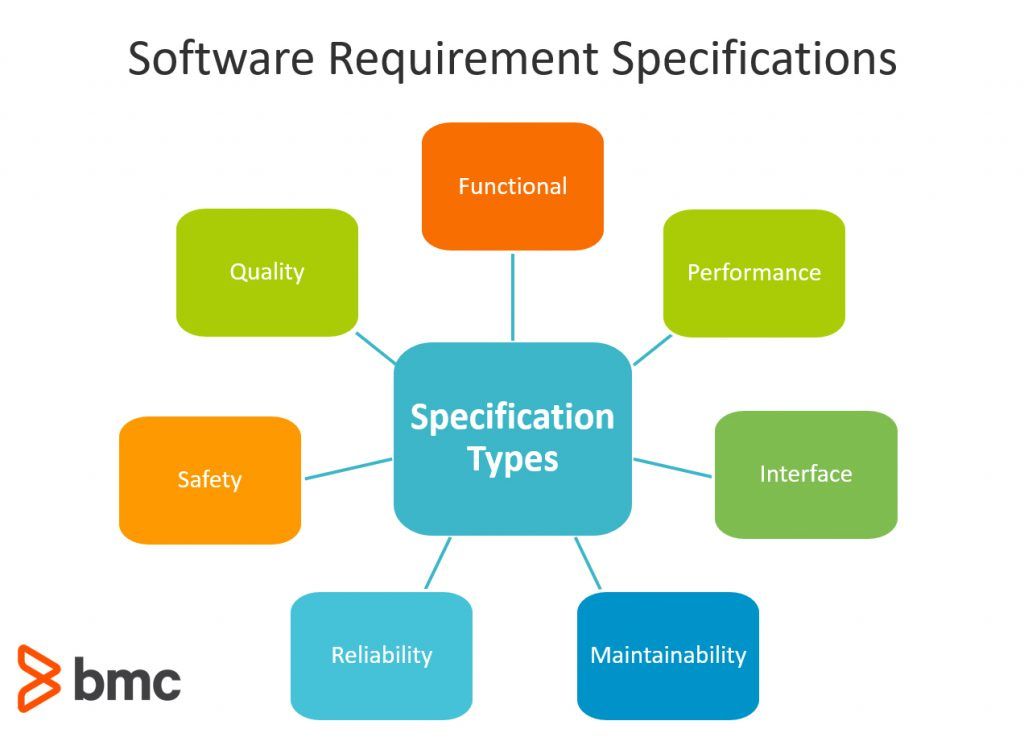
What are software specifications?
Software specifications are formal documents and artifacts that describe requirements, behavior, constraints, and acceptance criteria for a software system. When teams ask what are software specifications, they want the single source that tells developers, testers, and stakeholders what to build and how to verify it.
Specifications translate business goals into clear, testable items. They remove guesswork. They guide design, coding, testing, and deployment. A good specification reduces rework and helps teams deliver quality software on time.
Key components of software specifications
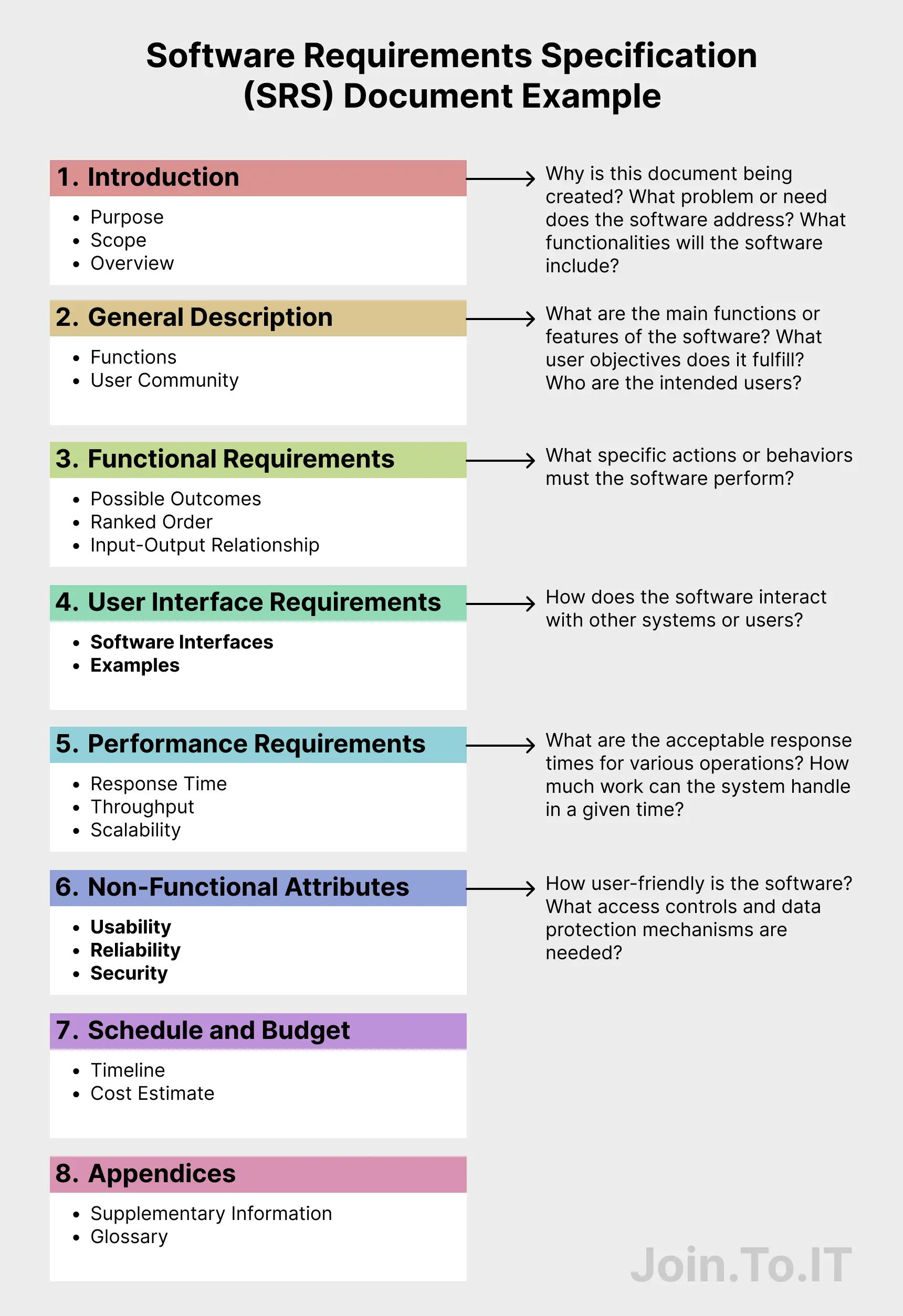
A strong specification includes clear parts. Each part helps a different team member understand the system.
- Purpose and scope: Defines why the software exists and what it will cover.
- Stakeholders and roles: Lists users, owners, and their responsibilities.
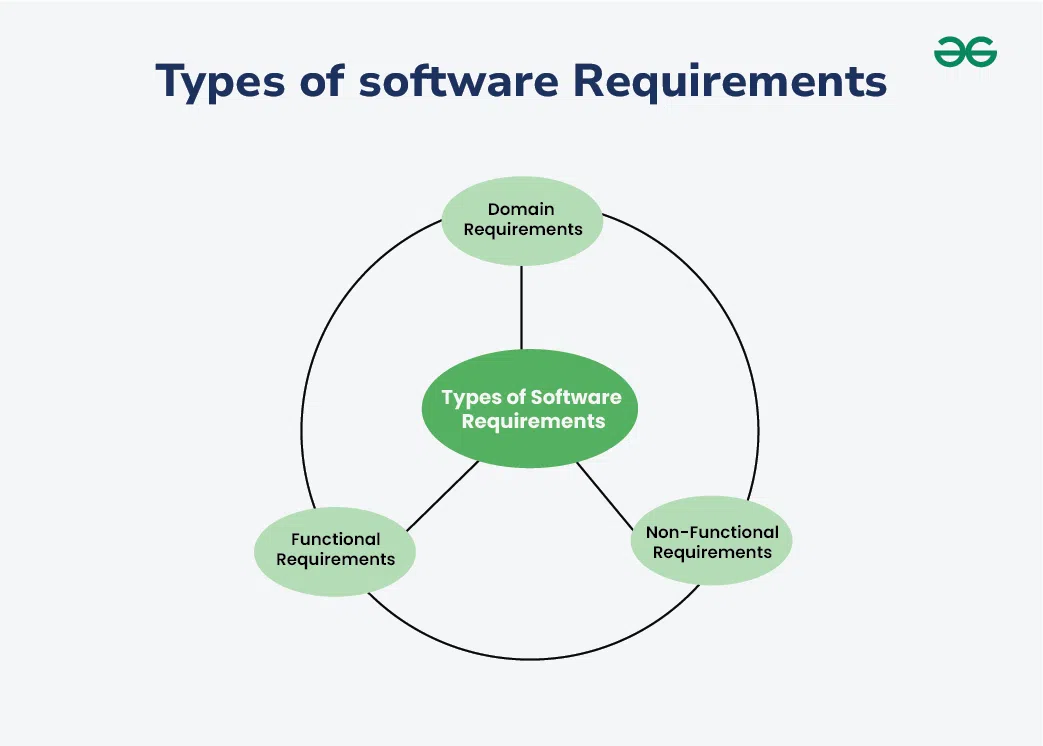
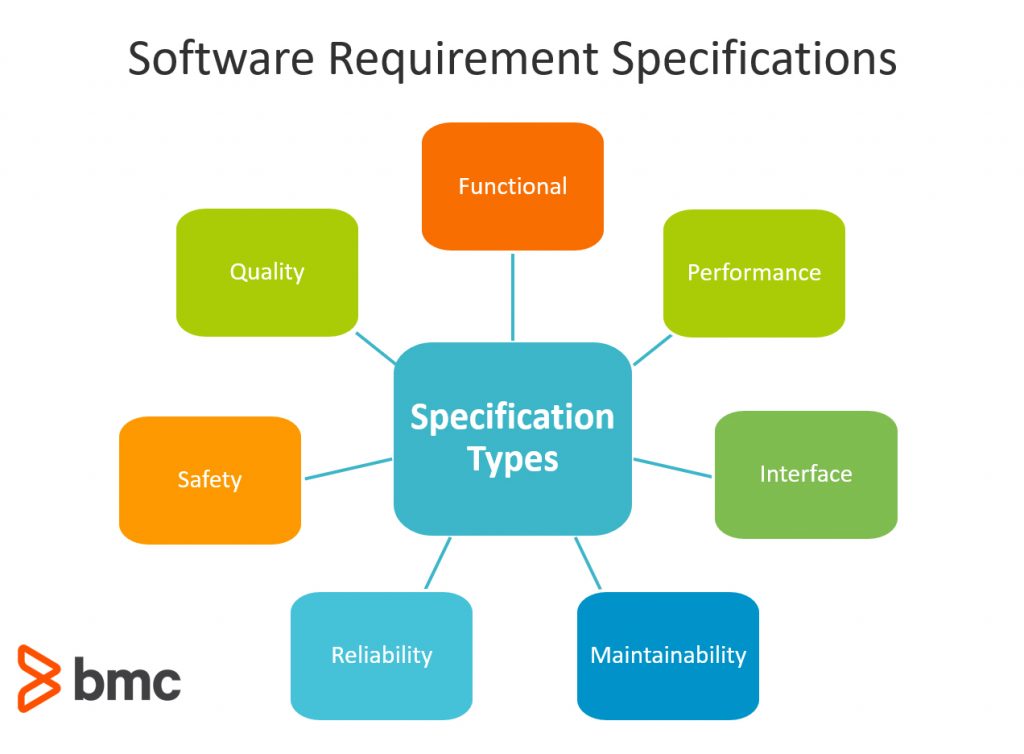
- Functional requirements: Describes the actions the system must perform.
- Non-functional requirements: Describes performance, security, scalability, and usability needs.
- Interfaces and data models: Shows APIs, input/output formats, and key data structures.
- Acceptance criteria and tests: Defines measurable conditions used to confirm the feature works.
- Constraints and assumptions: Notes limits like platforms, third-party services, and known risks.
- Traceability matrix: Maps requirements to design, code, and tests for verification.
Knowing what are software specifications means knowing these parts and using them to reduce ambiguity. Clear components make implementation predictable and measurable.
Types of software specifications
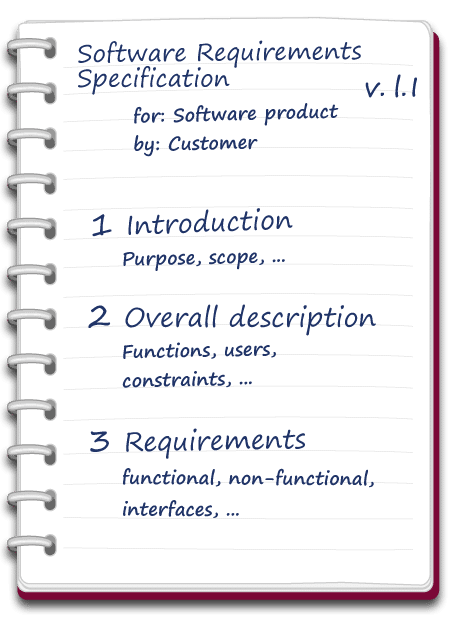
Different kinds of specifications answer different questions. Each type plays a clear role in project flow.
- Business requirements specification: High-level goals and outcomes the business expects.
- Functional specification: Detailed user interactions, workflows, and feature behavior.
- Non-functional specification: Performance, reliability, security, and compliance demands.
- Interface specification: API contracts and UI interaction details.
- Design specification: Architecture diagrams, component responsibilities, and algorithms.
- User stories and acceptance criteria: Small, testable units used in agile teams.
- Test specification: Test cases and procedures to validate requirements.
Understanding what are software specifications includes knowing which type to use and when. Choose the right form to match the project stage and the audience.
Why software specifications matter
A clear answer to what are software specifications is that they prevent costly mistakes and align teams. The benefits are tangible.
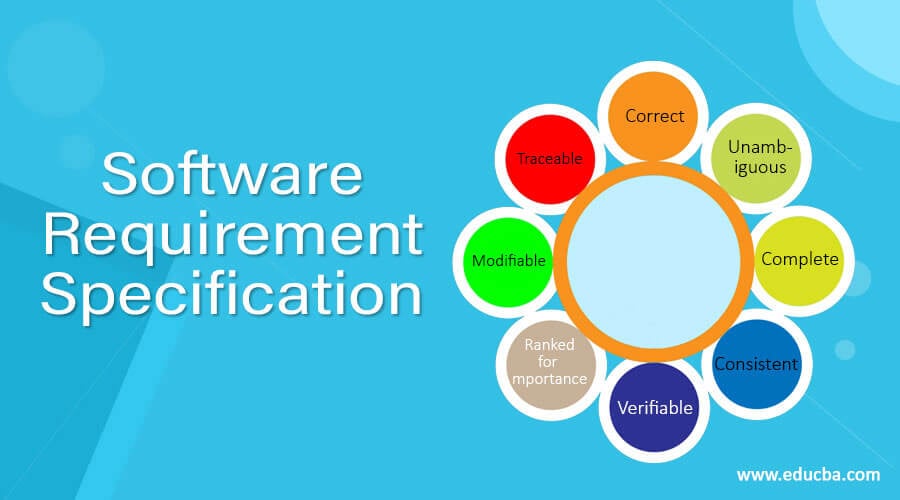
- Reduce ambiguity: Everyone understands the same thing.
- Speed up onboarding: New team members read the spec and start faster.
- Improve quality: Testable acceptance criteria lead to measurable outcomes.
- Manage scope: Specifications help control feature creep.
- Enable traceability: You can prove why a change was made and how it was tested.
Poor or missing specifications lead to missed expectations, repeated work, and angry stakeholders. Investing time in good specifications saves time and money later.
How to write effective software specifications
Writing usable specs takes a mix of discipline and empathy. Follow this process to create clear, actionable specs.
- Start with stakeholder interviews.
- Ask what success looks like. Capture constraints.
- Draft a short high-level summary.
- One or two paragraphs that state purpose and scope.
- Break features into small, testable items.
- Use user stories or numbered functional requirements.
- Define acceptance criteria for each item.
- Make criteria explicit and measurable.
- Add non-functional requirements and limits.
- State performance targets and security needs.
- Use diagrams for complex flows.
- Sequence diagrams and data models help clarity.
- Review and iterate with developers and testers.
- Hold lightweight reviews to find gaps.
- Keep version history and traceability.
- Link changes to decisions and tickets.
When people ask what are software specifications, emphasize testability and clarity. I often force a peer review before any coding starts. That one habit cuts rework by half.
Common pitfalls and how to avoid them
Even experienced teams make common mistakes. Recognize these issues early.
- Overly vague requirements.
- Fix by adding acceptance criteria and examples.
- Spec becomes a single giant document.
- Break into modular, smaller specs tied to features.
- Ignoring non-functional needs.
- Add measurable targets for performance and security.
- Not updating specs after changes.
- Use version control and a change log.
- Too technical or too business-focused.
- Balance language so technical and non-technical readers both benefit.
If you wonder what are software specifications in practice, avoid these traps. Clear writing and frequent reviews keep specs useful.
Tools, standards, and best practices
Use established patterns and tools to make specs consistent and easy to use.
- Use templates such as requirements templates or user story formats.
- Follow standard frameworks like IEEE requirements guidelines and common UML notations.
- Adopt BDD or Gherkin to write acceptance criteria in readable, testable form.
- Keep specs in version-controlled repositories alongside code.
- Integrate traceability tools that map requirements to tests and builds.
- Use peer reviews and sign-offs for critical requirements.
These practices answer what are software specifications by providing structure and governance. Tools reduce friction and improve compliance.
.webp)
Personal experience and lessons learned
I have written dozens of specifications for web and enterprise systems. I learned a few practical lessons the hard way.
- Start small. Long specs get stale fast. I now write minimal but complete items.
- Make acceptance criteria mandatory. Without them, testers and developers argue about intent.
- Use examples liberally. A small example clarifies intent better than long prose.
- Review early and often. Weekly short check-ins prevent large rewrites later.
- Automate traceability. Linking requirements to tickets and tests saved me time during audits and demos.
When I ask junior writers what are software specifications, I tell them to think about the person who will read the spec at 2 a.m. Make it clear, short, and testable. That advice has guided many successful deliveries.
Frequently Asked Questions of what are software specifications
What is the difference between a requirement and a specification?
A requirement states a need or goal from the stakeholder. A specification translates that requirement into precise details, acceptance criteria, and implementation guidance.
How detailed should a software specification be?
It should be as detailed as necessary to make work unambiguous and testable. Keep details modular and avoid overloading one document with unrelated content.
Are software specifications only for large projects?
No. Small projects benefit from clear specs too. Even a simple checklist of features and acceptance criteria reduces rework and confusion.
How do I keep specifications up to date?
Use version control, link specs to tickets, and require brief change notes for updates. Schedule periodic reviews after major milestones.
Can agile teams use formal specifications?
Yes. Agile works well with lightweight, living specifications such as user stories, acceptance criteria, and examples. The goal remains clear communication and testability.
Who should write software specifications?
Product owners, business analysts, and technical leads often collaborate. The writer should gather input from stakeholders and validate details with developers and testers.
How do I measure the quality of a specification?
Quality can be measured by test pass rates, number of clarifying questions during development, and frequency of scope rework. Low ambiguity and traceability indicate high quality.
Conclusion
Software specifications are the bridge between ideas and working software. They reduce risk, speed delivery, and improve quality when they are clear, testable, and kept current. Use small, focused specs, require acceptance criteria, and review often to make specifications practical. Start applying these techniques on your next project and watch clarity improve. Share your experiences, ask questions, or subscribe to stay updated on practical guidance for writing specifications.