

An online course is a structured learning program delivered remotely via digital platforms.
As an instructional designer and course creator with years of hands-on experience, I know how powerful and practical online learning can be. This article explains what is online course in clear terms, shows what options exist, and offers practical steps for learners and creators alike. Read on to gain a complete, trustworthy view of how online courses work, how to choose one, and how to build one that succeeds.

Definition and types: Clear answers for what is online course
An online course is a learning experience organized into lessons and activities that learners access over the internet. It often includes video lectures, readings, quizzes, and projects. The main goal is to teach a specific skill or subject without requiring learners to attend a physical classroom.
Types of online courses:
- Self-paced courses that let learners move through content on their own schedule.
- Instructor-led courses that run on set dates and include live sessions.
- Cohort-based courses where a group progresses together with deadlines.
- Microlearning modules that focus on short, targeted lessons.
- Hybrid courses that combine online content with occasional in-person sessions.
Examples that show what is online course in practice:
- A language course with daily micro-lessons and weekly live practice.
- A coding bootcamp that mixes recorded tutorials with mentor feedback.
- A university module delivered fully online with graded assignments.

Benefits: Why people choose an online course
Online courses offer flexibility and reach. Many learners prefer them because they can study from anywhere and at any time. Costs are often lower than traditional classes. Employers value targeted courses for rapid skill updates.
Key benefits:
- Flexible schedule that fits work or family life.
- Lower cost compared to on-campus programs.
- Access to global experts and diverse materials.
- Faster skill building with focused lessons.
- Scalable learning for companies and institutions.
From my experience building courses, real engagement comes when content is practical and short. Learners drop out when lessons are long and vague. Good design keeps people motivated.
How online courses work: Core components and learner flow
A typical online course has clear structure and tools. It usually follows this flow:
- Enrollment and orientation to set expectations.
- Content delivery via videos, readings, or slides.
- Activities such as quizzes, discussions, or assignments.
- Feedback and assessment from peers or instructors.
- Certificate or proof of completion.
Essential technical components:
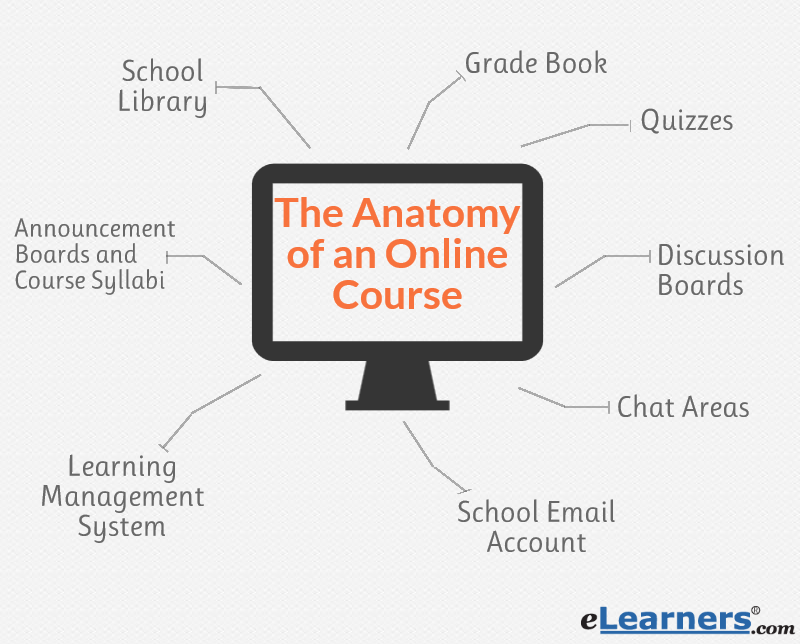
- Learning management system (LMS) for hosting and tracking.
- Video hosting and streaming for lectures.
- Interactive tools for quizzes and forums.
- Payment gateway for paid courses.
- Analytics to measure engagement and outcomes.
I have run courses with simple LMS setups and others using advanced platforms. The right mix depends on the goal. Keep user experience simple for best completion rates.
Creating an online course: A step-by-step guide for creators
If you want to build a course, follow a clear plan. This helps you make something learners value.
Steps to create:
- Define the learning outcome and target learner.
- Map the curriculum into short modules.
- Script lessons and record concise videos.
- Add assessments and practical tasks.
- Pilot the course with a small group and collect feedback.
- Launch, market, and iterate based on learner data.
Tips from my work:
- Start small. Teach one module well rather than many poorly.
- Use plain language that learners can follow easily.
- Offer quick wins early to boost motivation.
- Test tech before launch to avoid basic failures.

Choosing the right online course: A guide for learners
To pick the best course, match it to your needs. Ask practical questions and check evidence.
Checklist for selection:
- What is the clear outcome? Look for specific skills and measurable goals.
- Who teaches the course? Check instructor background and credibility.
- What is the time commitment and schedule?
- Are assessments and projects part of the course?
- What do past learners say in reviews or testimonials?
Personal note: I once chose a course by reputation alone and regretted it. The course had poor structure. Now I read sample lessons and try a free module before paying.
Costs and pricing models: Understanding value in an online course
Online course pricing varies widely. Costs can be free, low, or high. The model often reflects content depth and support level.
Common pricing models:
- Free access with optional paid certificate.
- One-time payment for lifetime access.
- Subscription for ongoing content updates.
- Tiered pricing with added coaching or feedback.
- Corporate licensing for teams and organizations.
Value assessment:
- Consider time savings and career impact.
- Compare cost to similar courses and outcomes.
- Evaluate support level and feedback provided.

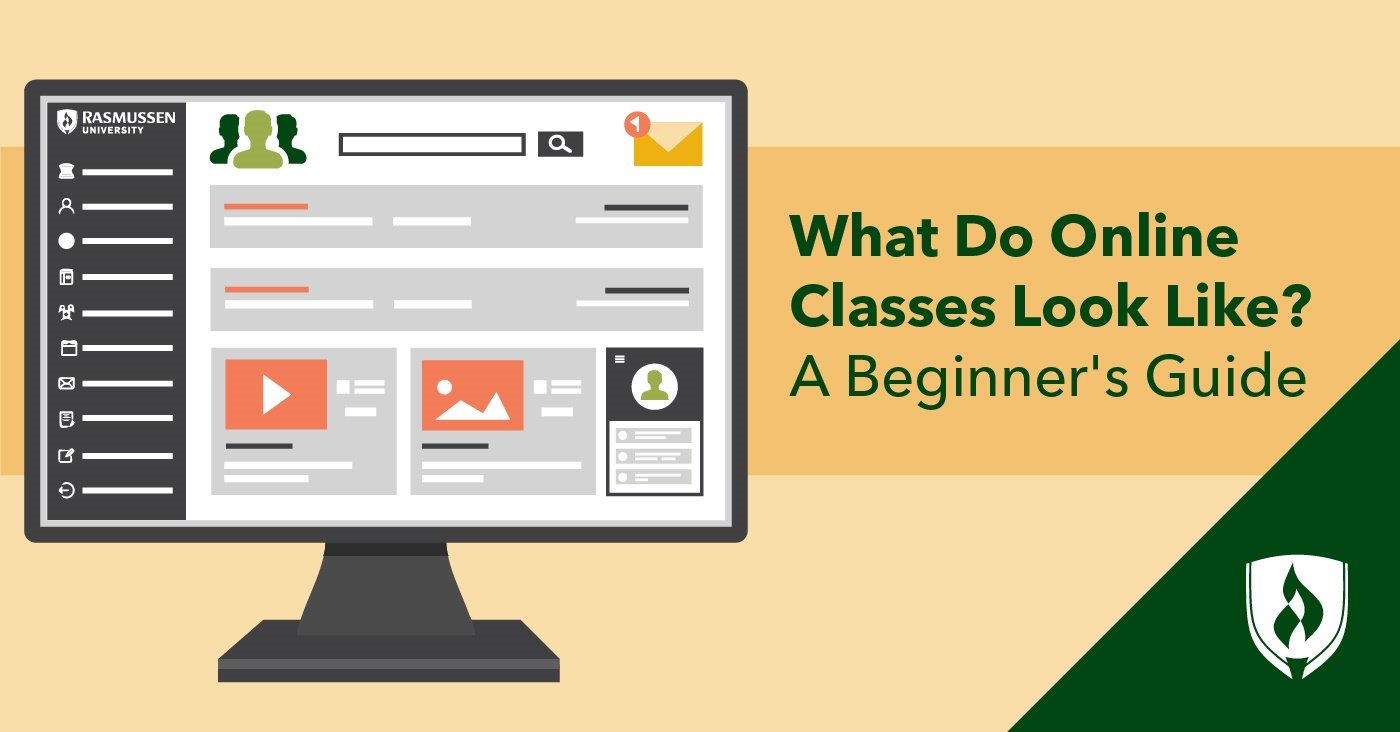
Technology and platforms: Tools that deliver what is online course
Technology shapes the user experience. The right tools make learning smooth and reliable.
Core platform features:
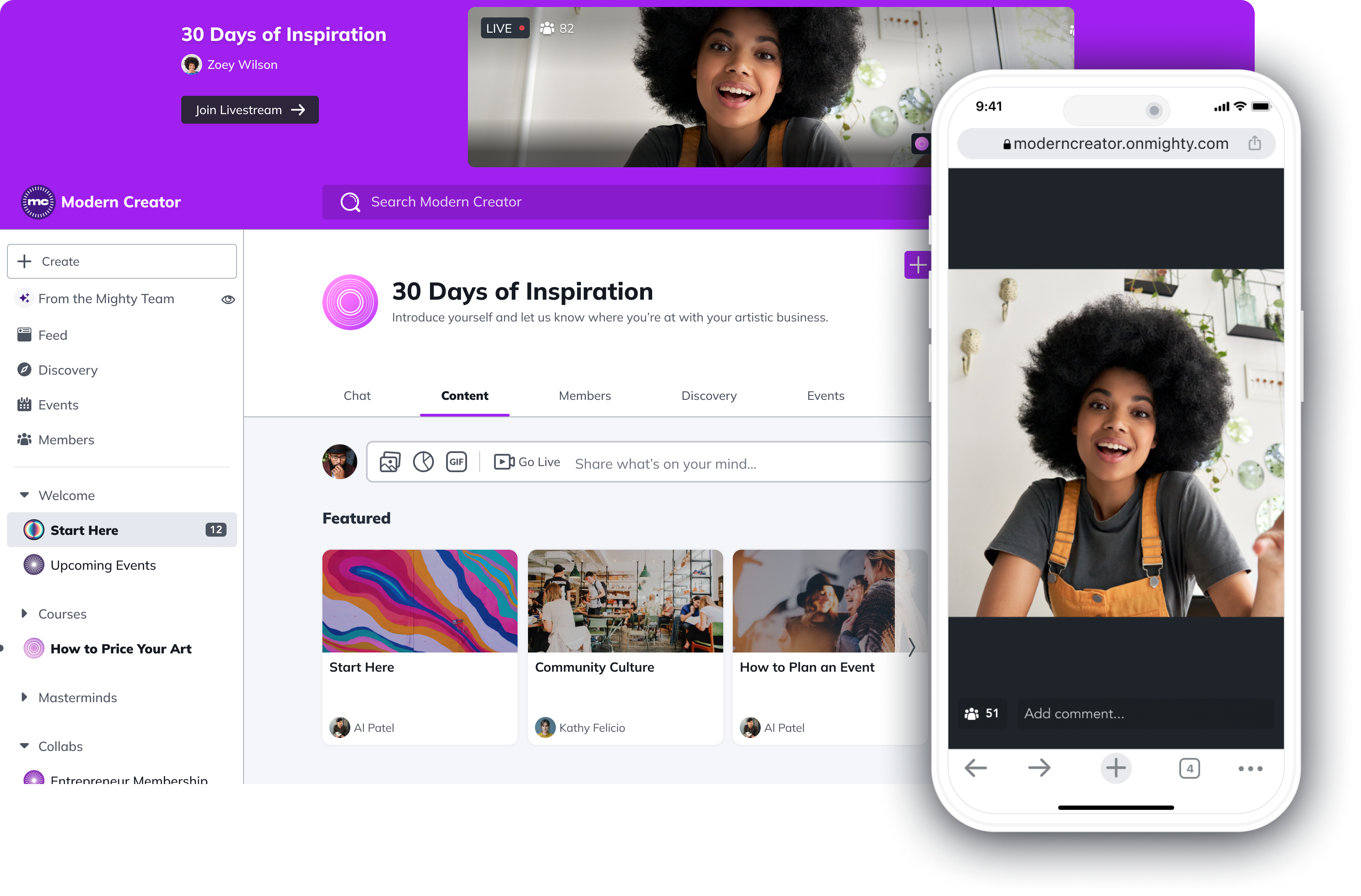
- Responsive interface for desktop and mobile.
- Secure video delivery and fast load times.
- Assessment tools and grade tracking.
- Community features like forums and chat.
- Analytics for completion and engagement metrics.
Platforms can be simple site builders or full LMS. For small creators, easy tools reduce friction. For institutions, LMS with advanced reporting is often required.
Quality, accreditation, and measuring outcomes
Quality matters for trust and recognition. Not every online course is equal. Look for clear metrics and verified outcomes.
Ways to assess quality:
- Accredited courses or recognized partners.
- Clear assessment standards and project-based evaluation.
- Independent reviews and learner outcome data.
- Instructor credentials and real-world portfolio work.
Measuring success:
- Completion rate, assessment scores, and project quality.
- Career outcomes like job placement or promotion.
- Learner satisfaction and feedback.
I recommend building a small pilot and measuring results. Use feedback loops to improve content and delivery.
Future trends: Where what is online course is heading
Online courses keep evolving. Expect more adaptive learning and micro-credentials. AI will personalize study paths and speed feedback. Cohort models and live coaching will gain popularity for deeper learning.
Emerging directions:
- Short, stackable credentials that add to a larger degree.
- AI tutors that offer instant, tailored help.
- Mixed reality experiences for hands-on fields.
- Employer-sponsored learning tied to career pathways.
From my projects, learners respond well to short, human-led sessions combined with AI support. That mix balances scale and care.
Frequently Asked Questions of what is online course
What is an online course and how does it differ from traditional classes?
An online course is delivered over the internet and is accessible remotely. It differs by offering flexible pacing and digital materials instead of fixed classroom times and locations.
Are online courses recognized by employers and colleges?
Many online courses are recognized, especially when they include verified certificates or come from reputable institutions. Employers often value skills demonstrated through projects and outcomes.
How much time should I expect to spend on an online course?
Time varies by course and level. Most short courses require 2 to 8 hours per week, while longer programs can demand more sustained effort over weeks or months.
Can I create a quality online course without technical expertise?
Yes. Many platforms simplify course creation with templates and tools. Start with clear content and a pilot group, then improve as you learn.
What should I look for in a course platform?
Look for a platform with reliable video delivery, assessment tools, and user analytics. Also prioritize ease of use for both learners and instructors.
Conclusion
This article clarified what is online course, showed how they work, and offered practical steps for learners and creators. Online courses can boost skills, save time, and reach many learners when designed well. Start by defining clear outcomes, choose the right format, and test early to improve. Take action: try a short online course, build a pilot module, or subscribe to a platform to explore more. Leave a comment with your questions or share your experience to keep the conversation going.